
Once again this year, together with friends from Genzano, we took a short trip to discover the places and towns of Basilicata. We visited Ferrandina and Miglionico, two villages in the province of Matera.
From our town, Genzano di Lucania, they are about an hour and fifteen minutes away by car, reached first by a provincial road (SP 33) and then three state roads: SS96 bis, SS655 (which passes through the outskirts of Matera), and SS7. As usual, we couldn’t help but notice how the condition of the provincial roads is terrible compared to the state roads, and how the roads in the province of Matera and those in Puglia are much better than those in the province of Potenza. Sadly, the road surface worsens year after year (ditches, potholes, cracks, missing lane markings, etc.) and the vegetation seems to be taking over, covering much of the lanes.
The plan was to visit Ferrandina in the morning, have lunch there, and then move to Miglionico in the afternoon, which is exactly what we did.
Ferrandina
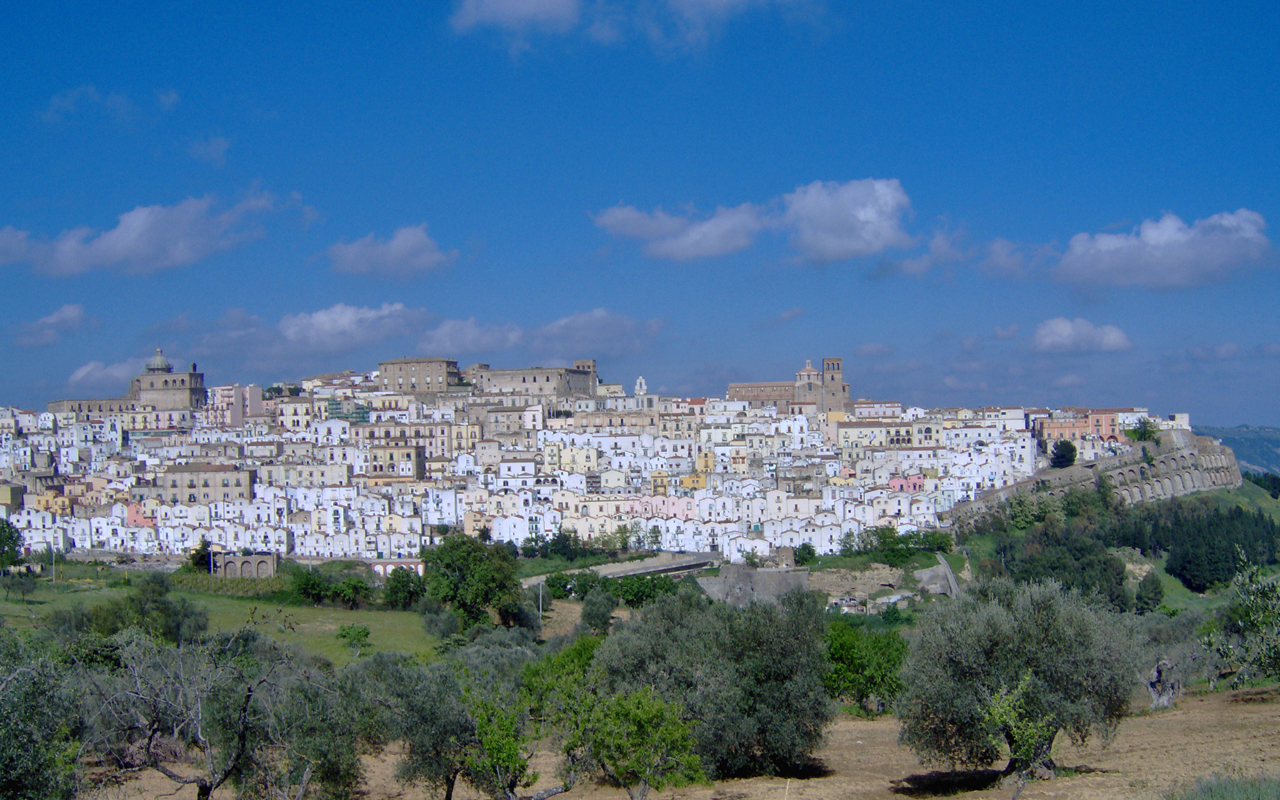
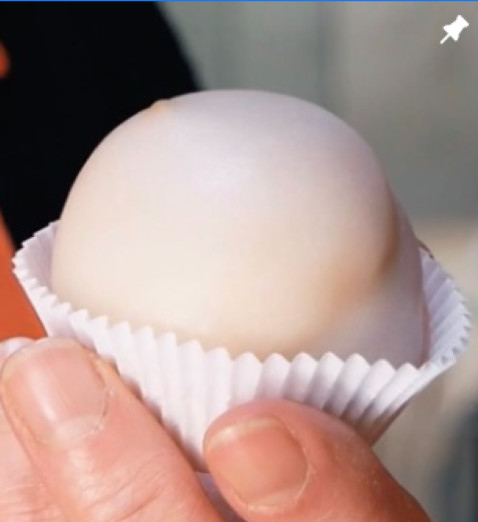
It is a town of about seven thousand inhabitants in the Basento valley. As seen in this photo, it spreads over a hill showcasing its very characteristic white houses. We arrived around eleven-thirty and parked in the very central Corso Vittorio Emanuele II, right at a Belvedere and just a few steps from the Monument to the Fallen and the Monastery of San Domenico. Along the streets, the lights for the San Rocco festival, held on August 16, were already installed. Coincidentally, also on the main street, near the monastery, is the famous Italia pastry shop, specialized in making sospiri, a dessert made of a soft sponge cake filled with cream and covered with white icing (there is also a chocolate version). Needless to say, we took the opportunity to enjoy a very tasty second breakfast.
At this point, the sightseeing tour of the town began: Piazza Plebiscito at the end of the main street, which hosts the Mother Church, the characteristic alleys of the historic center, the church of the Monastery of Santa Chiara accessed via a staircase starting from Piazza Plebiscito, and the church of San Domenico.
The Church of Santa Maria della Croce (the Mother Church) has a very simple but elegant facade, reminiscent of the Apulian Romanesque style, with three portals topped by three rose windows. Its construction began in 1491, when Federico d’Aragona laid the first stone. It has a Latin cross plan and three naves. Inside, there is a very beautiful wooden statue of the Madonna della Croce and a statue of San Rocco. Unfortunately, I did not see the statues of Federico and Isabella d’Aragona.
At lunchtime, we returned to the square to eat at the restaurant Il Ducale. Upon entering, we were a bit surprised by the environment and the decor, which is a mix between a bar, pub, and restaurant, but when we opened the menu, we realized we were in the right place. We chose “land dishes” to try typical Lucanian products (photos in the gallery), but I saw some ordering fish dishes that looked equally appetizing. After all, the sea is just a few dozen kilometers away. In the end, we were satisfied, and it is a place I would recommend, also because, in fact, there are not many alternatives.
Miglionico
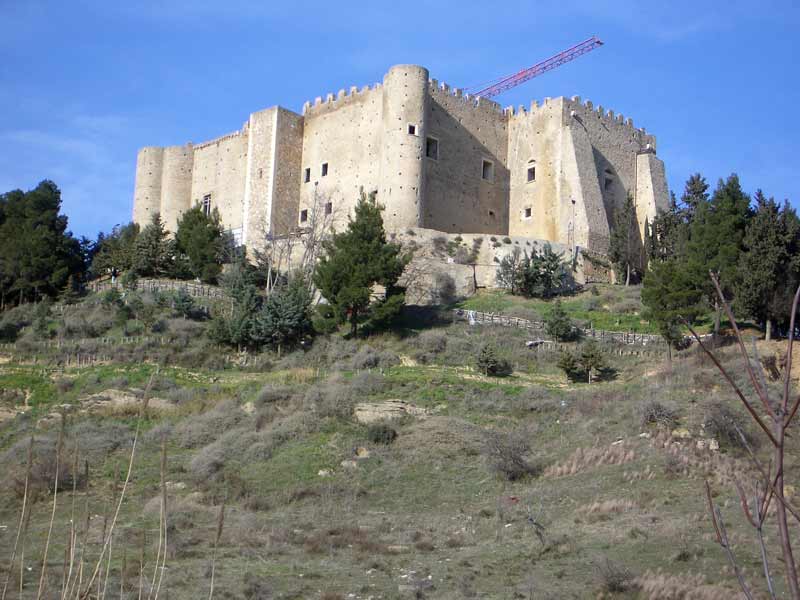
Miglionico is a municipality of just over 2000 inhabitants, 20 kilometers from Ferrandina, located on a hill overlooking the San Giuliano lake, which is part of a regional nature reserve of the same name. It is famous for its castle, the Malconsiglio Castle, linked to a historical episode known as the Barons’ Conspiracy (1485-1487). Essentially, some meetings took place in this castle that were supposed to reconcile King Ferdinando I of Aragon with various rebellious barons upset by his reforms aimed at reducing their feudal power. However, the king set a trap by inviting them to Naples under the pretext of formalizing the agreement, but once they arrived at Castel Novo (in Naples), they were slaughtered.
After parking just outside the historic center, we ventured into the very characteristic alleys of the village. First, we came across the Basilica of Santa Maria Maggiore, which inside contains two extraordinary works: a polyptych by Cima da Conegliano dating back to 1499 and a crucifix from 1629 made by the Franciscan Father Umile da Petralia.
After crossing Piazza del Popolo, we headed straight to the Castle and had to hurry because it started to rain. We took shelter from the rain under some arches inside the Castle courtyard. Unfortunately, it was not possible to take the guided tour because that day the historical reenactment of the meeting between the barons of the Southern lands and King Ferdinando, which took place in this castle in 1485, was scheduled.
When the rain stopped, we saw some rooms of the Castle that were open to host the participants of the event and to allow them to dress, and we noticed that very little remains as it was; the building has been renovated, and many rooms seem to be used as offices.
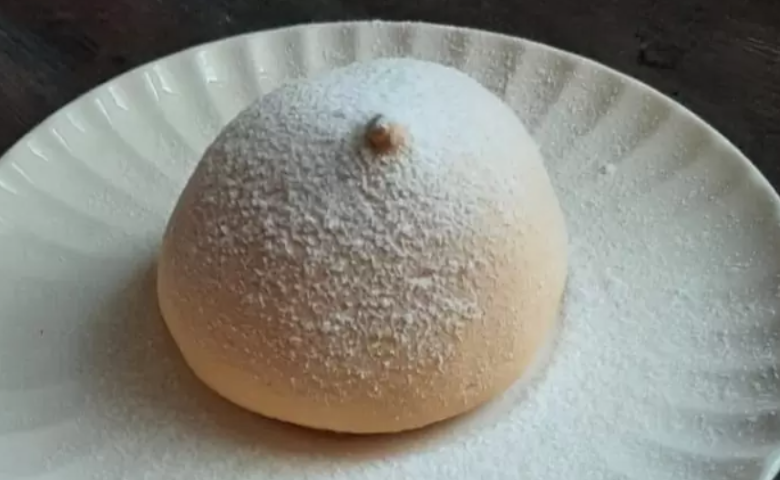
Before leaving, we had time to enter the Tritto pastry shop to have a coffee and taste the dessert called tetta delle monache.
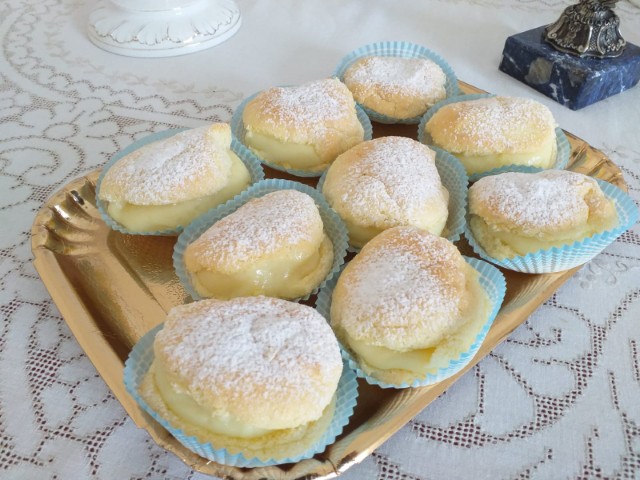
Sospiri vs Tette delle monache vs Fecazzule genzanesi
These are three very good desserts that look similar but are actually very different in preparation, texture, and taste.
Sospiri and tette delle monache are desserts that I believe have Apulian origins, while fecazzule are one of the typical desserts of Genzano. I won’t go into the preparation of these desserts; I will just show some differences in photos.
 |
 |
 |
Sources and References
- Ferrandina on Wikipedia.
- Miglionico on Wikipedia.
- Ferrandina, BasilicataMedia, YouTube.
- Ferrandina: a journey through history, art, and cuisine, Spighe Vacanti, YouTube.
- The medieval village in the heart of Basilicata is Miglionico, also a destination for art and culture, Elisa Zagaria.
- Between history and flavors discovering Miglionico, Spighe Vacanti, YouTube.
- Spighe Vaganti YouTube channel: series dedicated to discovering Basilicata.
- Barons’ Conspiracy on Wikipedia.
- Church of Santa Maria Maggiore (Miglionico) on Wikipedia.
- Malconsiglio Castle, official website.
*** Note: This article was translated using an automated workflow created with n8n and OpenAI.