
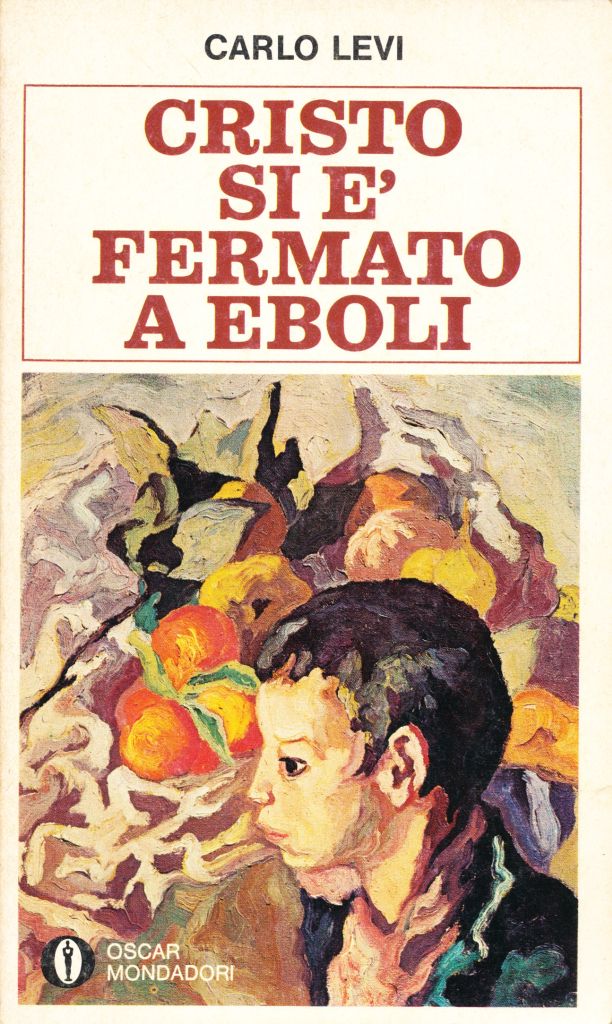
This year, the annual trip to discover the places and towns of Basilicata took place in Aliano, the village known for being the site of exile of Carlo Levi, who described the time spent there in the famous novel: Christ Stopped at Eboli.
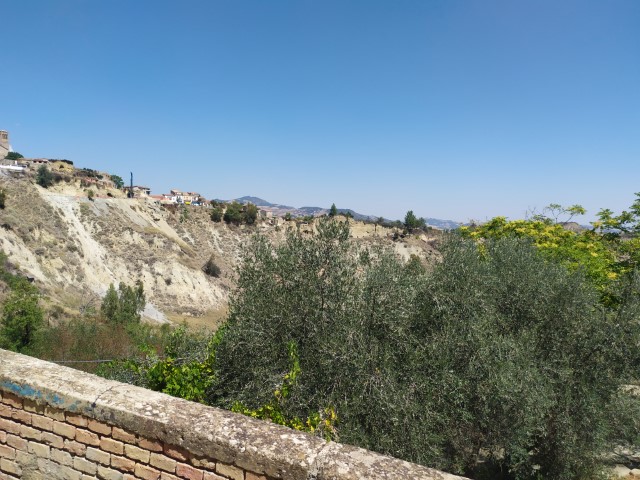
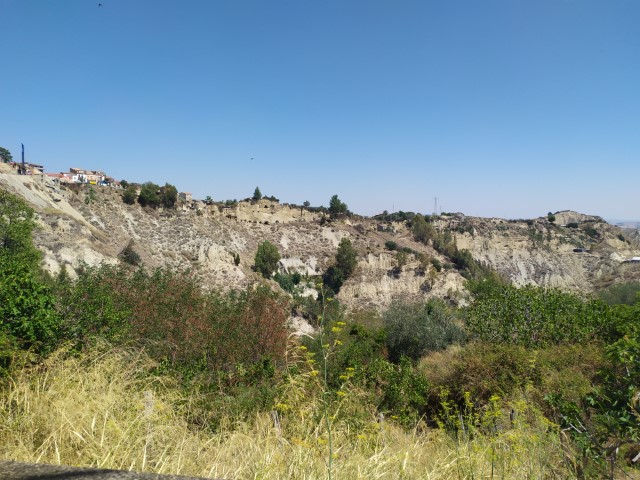
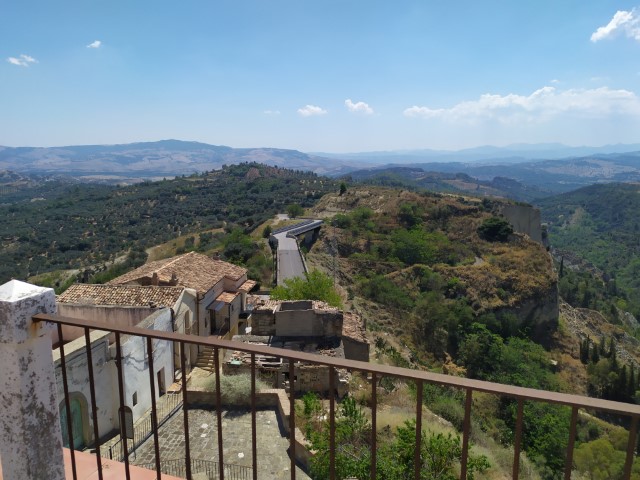
After just under two hours by car, along the Basentana (State Road 407) and the Strada di Fondo Valle d’Agri (State Road 598), we arrived in this small village surrounded by calanchi.
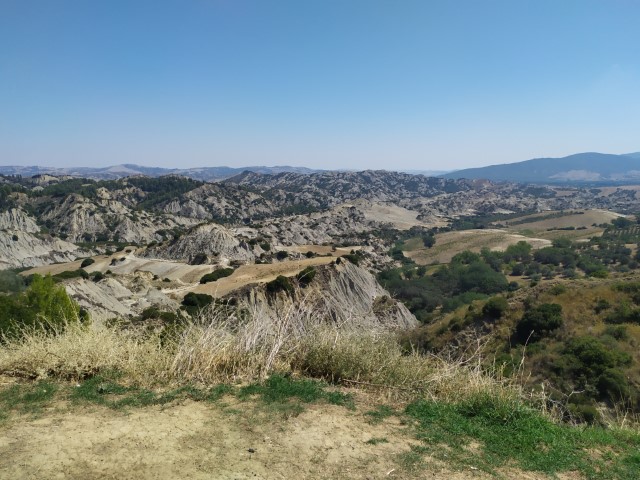
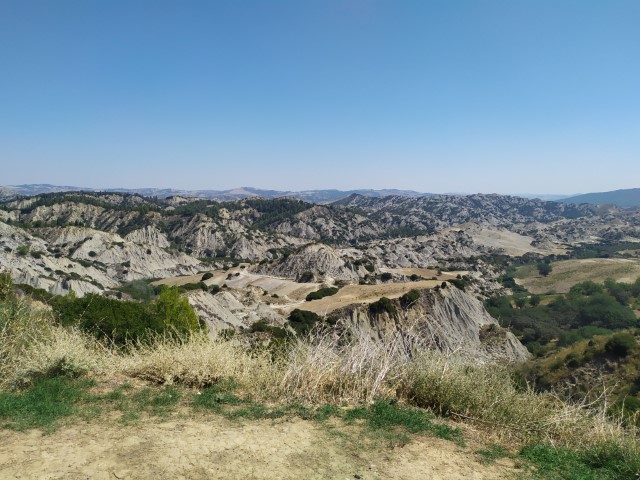
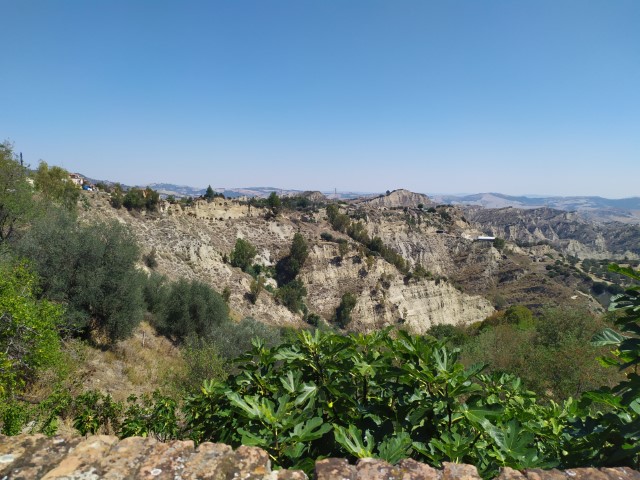
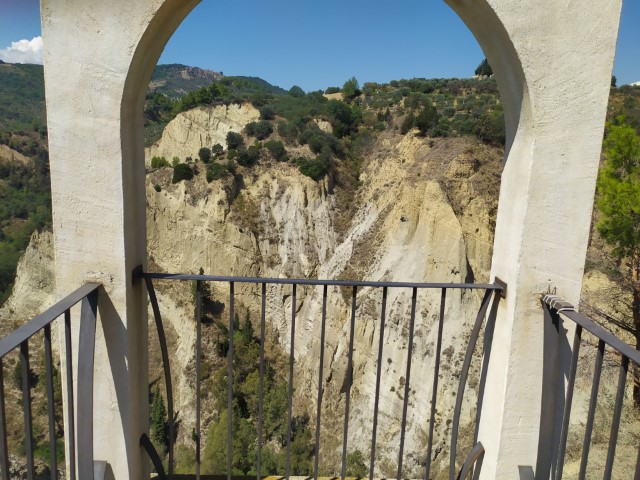
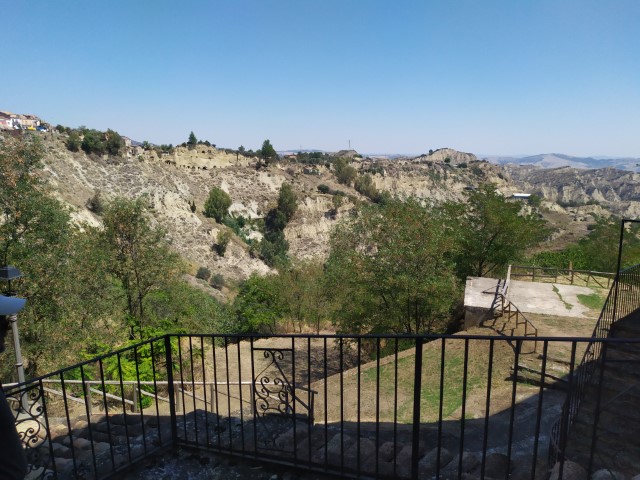
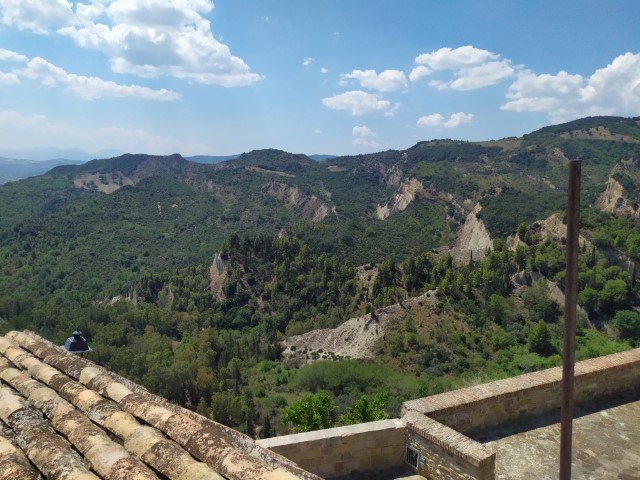
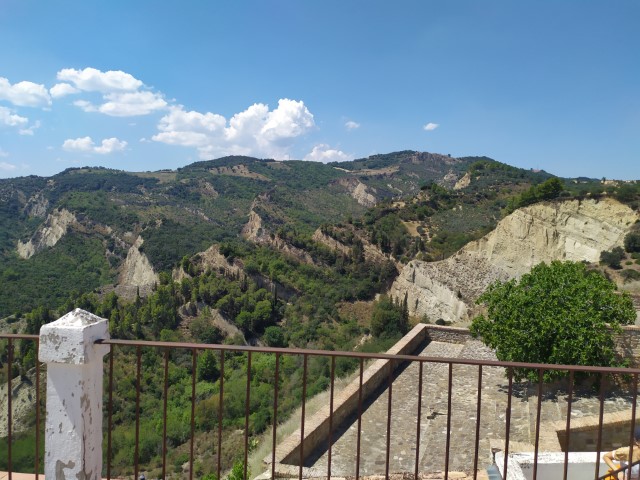
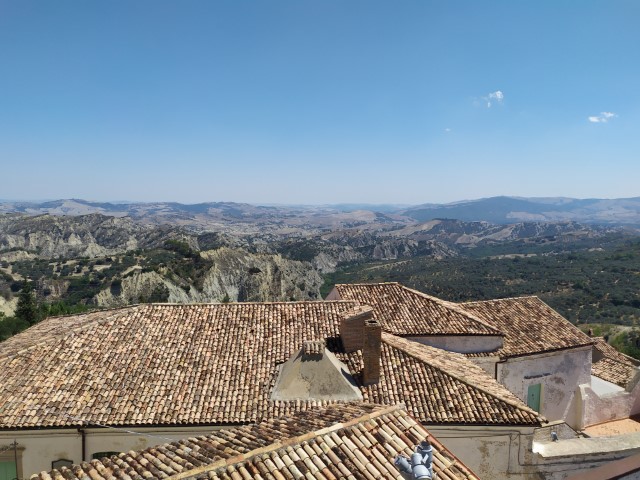
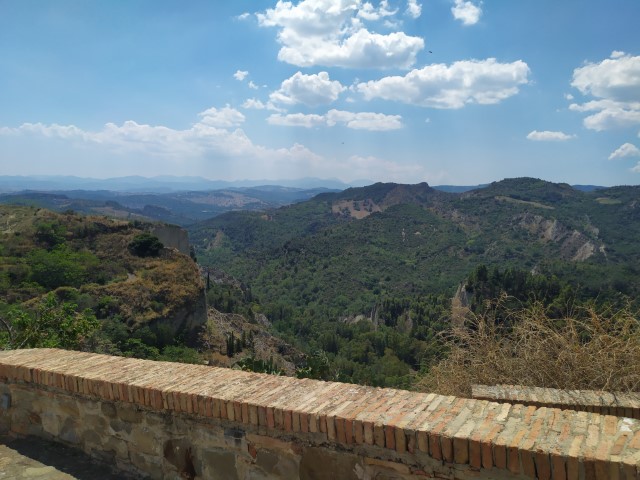
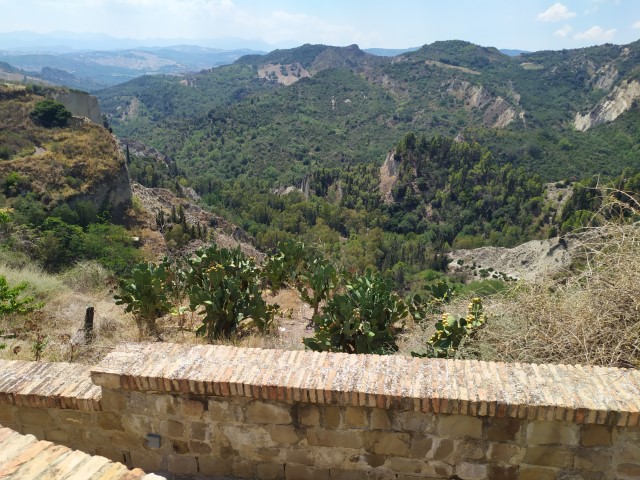
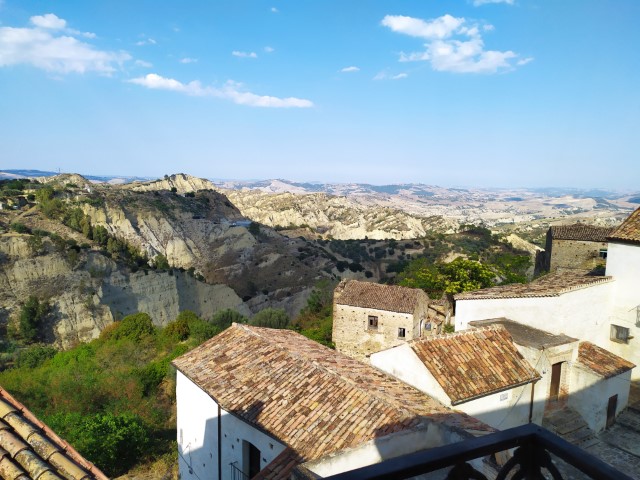
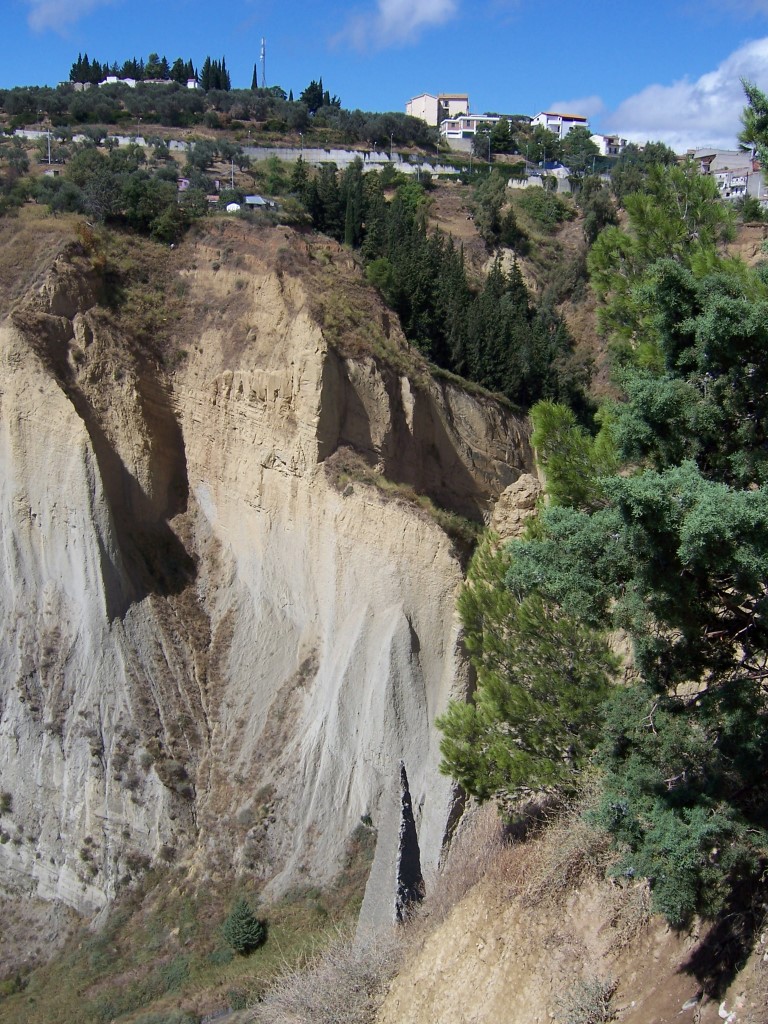
Calanchi are light-colored clay mountains on which sparse vegetation of shrubs and bushes grows. The result is a surreal, almost desert-like landscape, immersed in an atmosphere of silence, tranquility, and solitude. I believe the view of this landscape is very evocative and alone worth the trip.
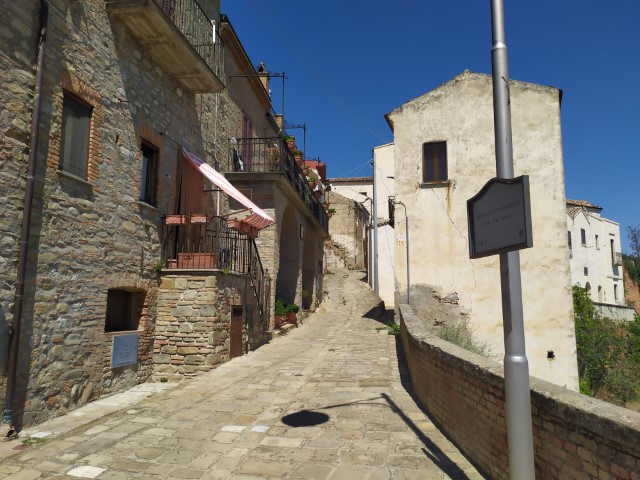
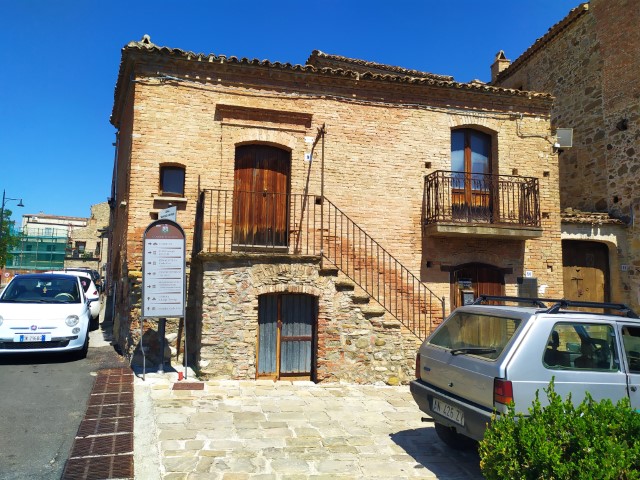
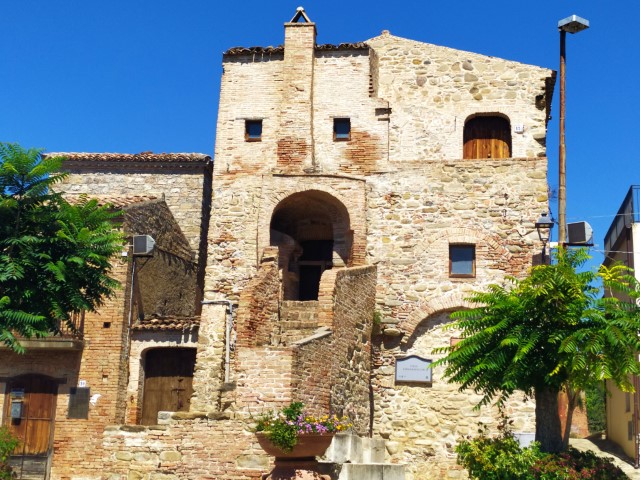
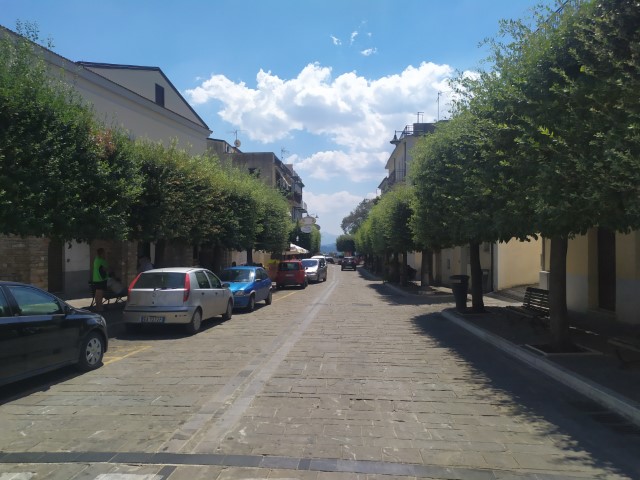
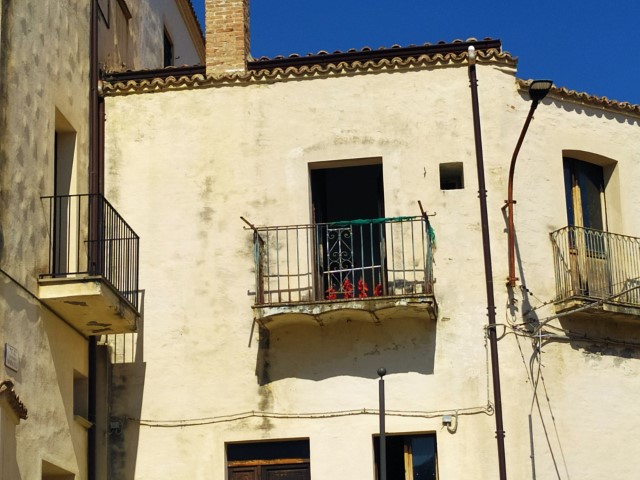
The village is very small (just over 800 inhabitants), well maintained, clean, and very characteristic. Walking through the narrow alleys of the oldest and most characteristic part of the village, I imagined the impact this reality might have had on a person coming from a big city like Turin at a time when Lucania was very poor and backward 2. I also imagined the curiosity of the people of Aliano when suddenly this gentleman, a somewhat strange intellectual who was also a doctor, writer, and painter, became their fellow citizen. They say the novel Christ Stopped at Eboli describes this encounter very well. Unfortunately, I read it many years ago and remember very little, but I promised myself to reread it after returning from vacation.
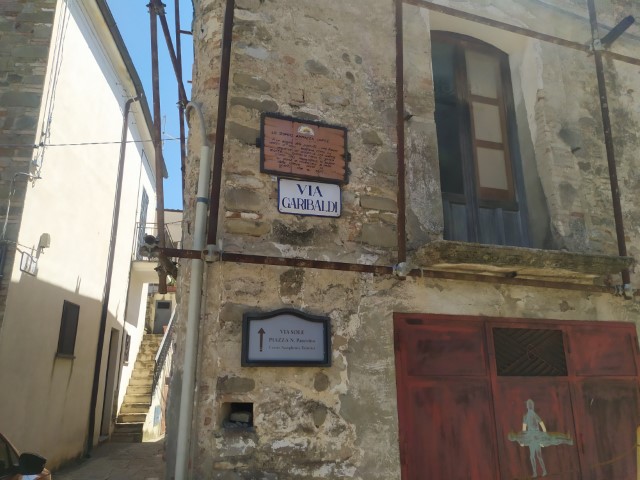
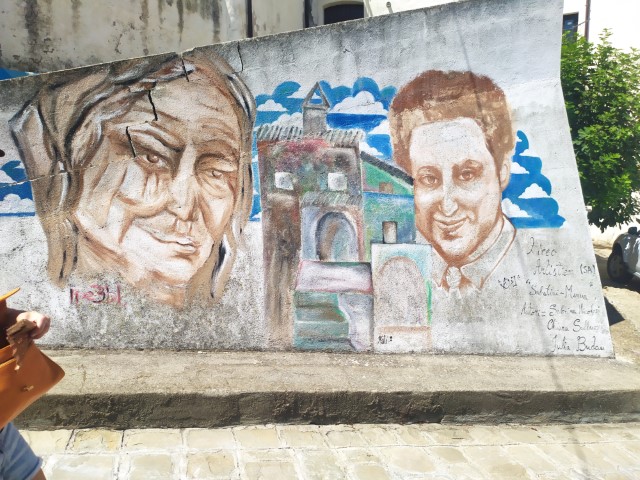
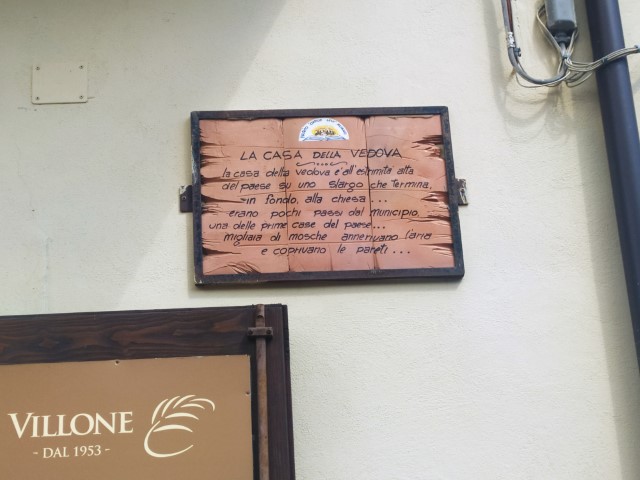
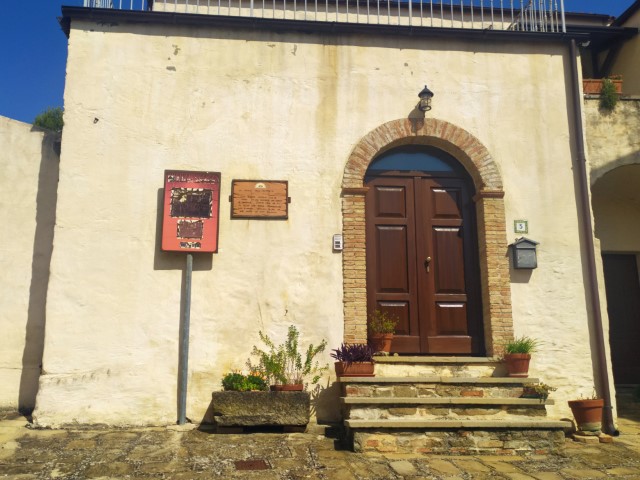
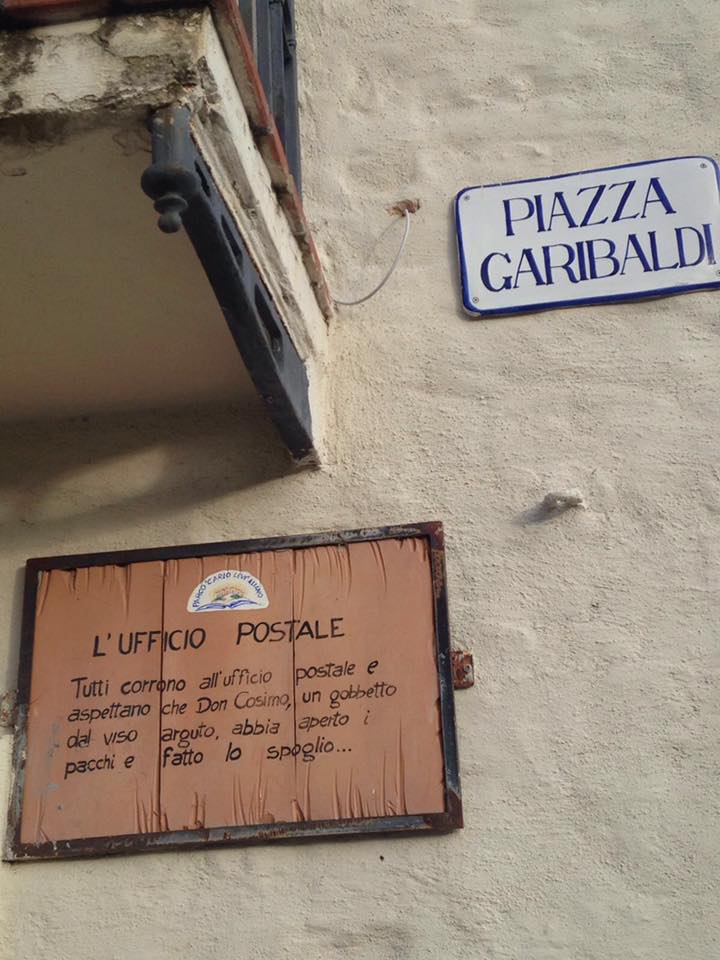
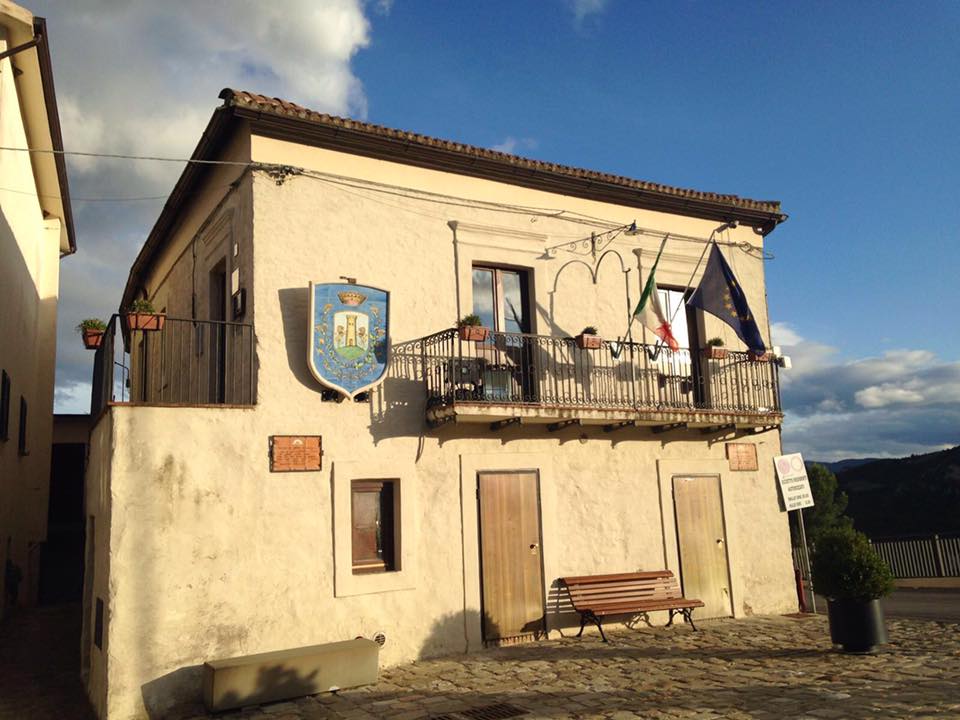
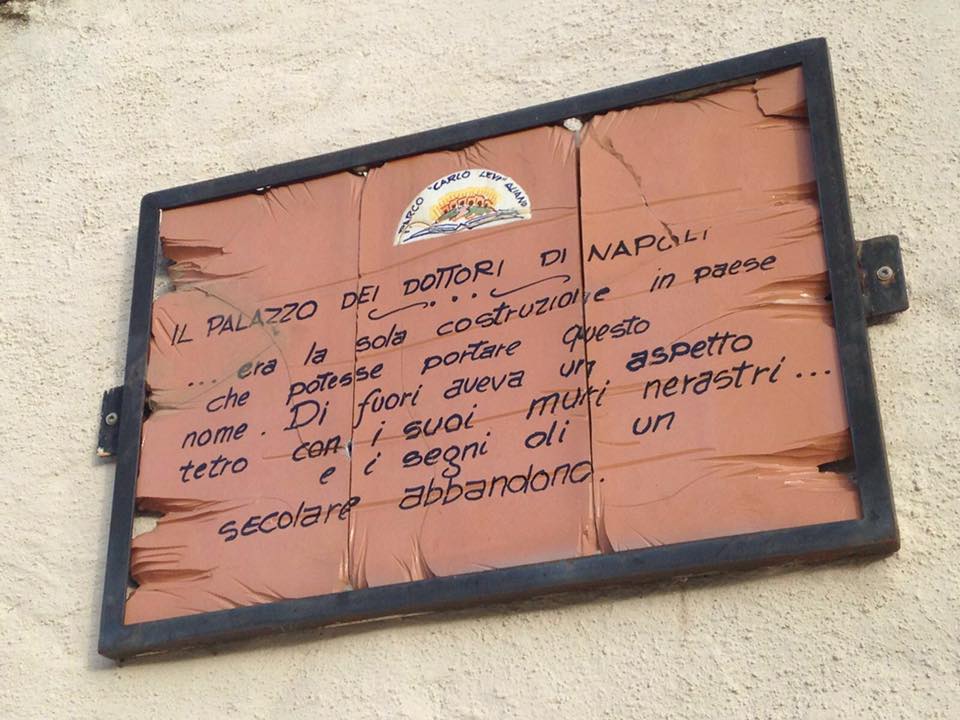
Along the streets of the village and on the facades of buildings, there are plaques with excerpts from the novel referring to that place or its inhabitants. I thought it was a really nice idea; I would like to return after rereading the novel.
These are the places we managed to visit in one day 1 :
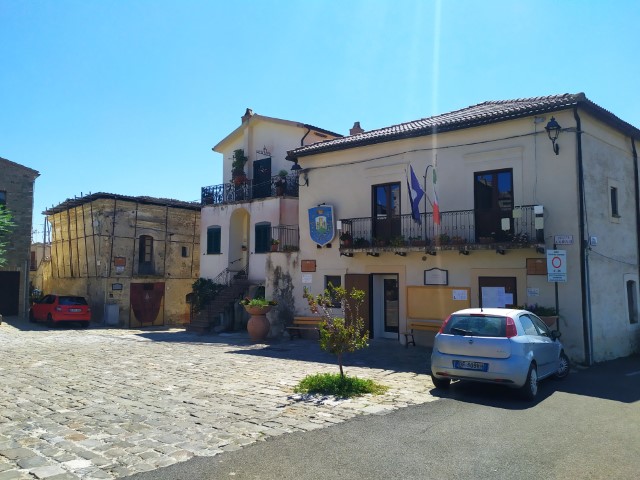
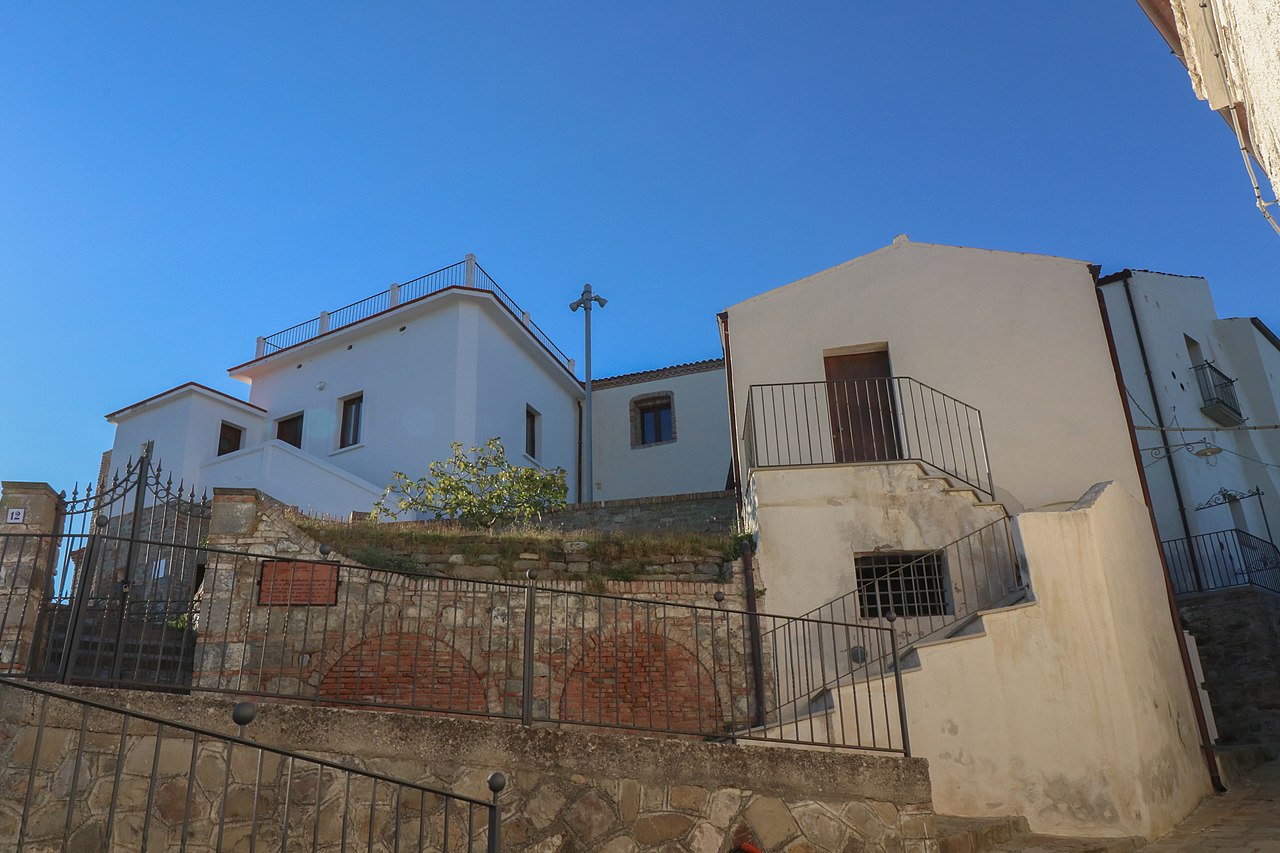
- Historic center: After a walk through the streets and houses overlooking the ravines, we stopped at Piazza Garibaldi. A small square entirely paved with cobblestones where the Town Hall is located today (which was the village post office in Levi’s time), and the House with Eyes, a characteristic building whose arrangement of doors and windows makes it look like a human face. Opposite the square, you can admire a very suggestive ravine known as the Bersagliere’s Pit 3.
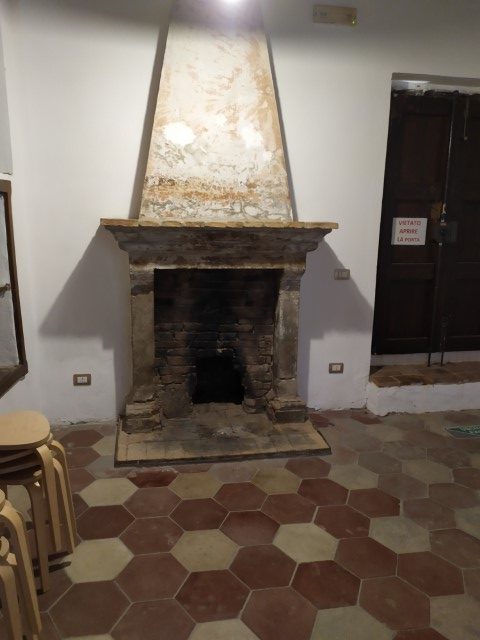
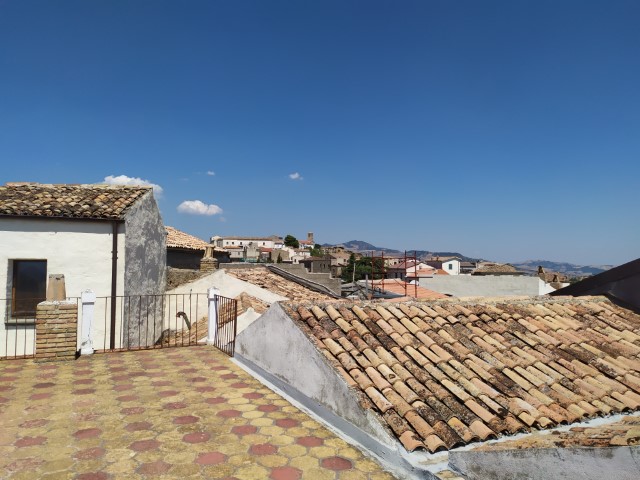
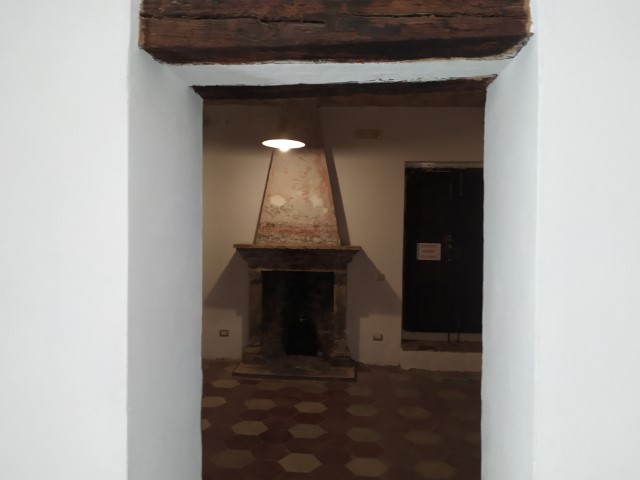
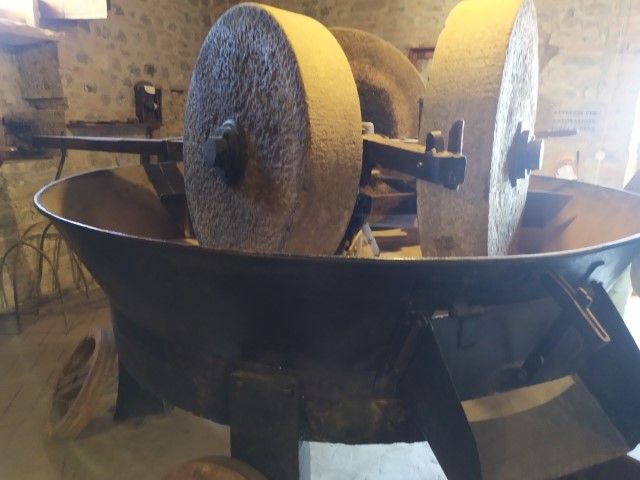
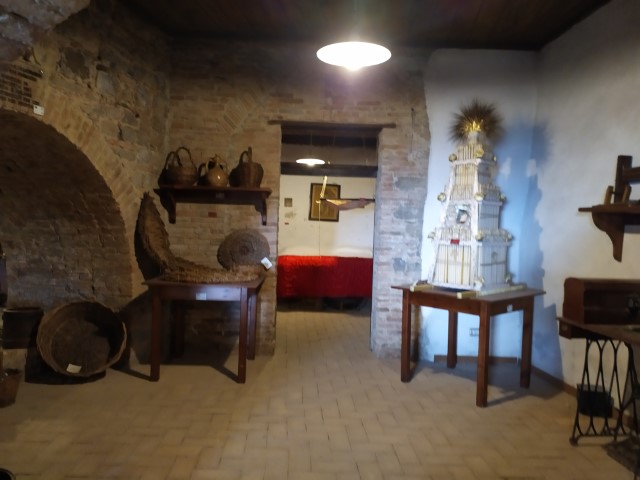
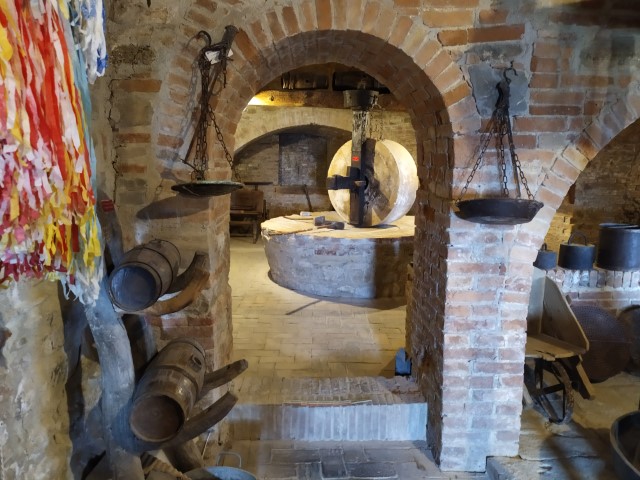
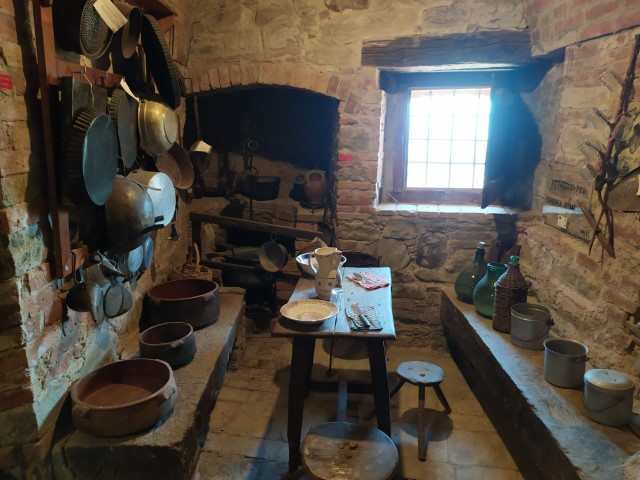
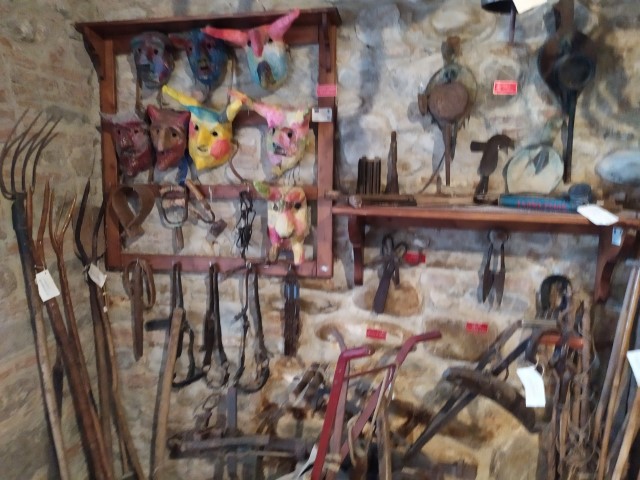
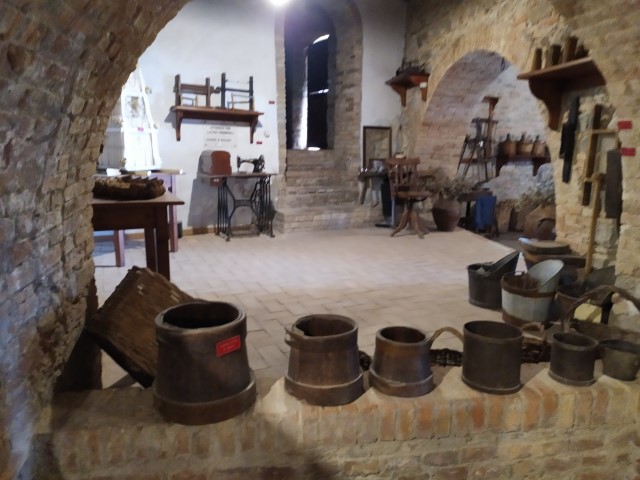
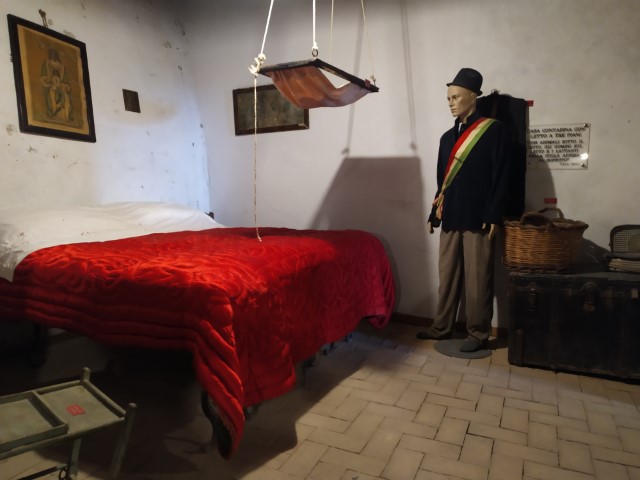
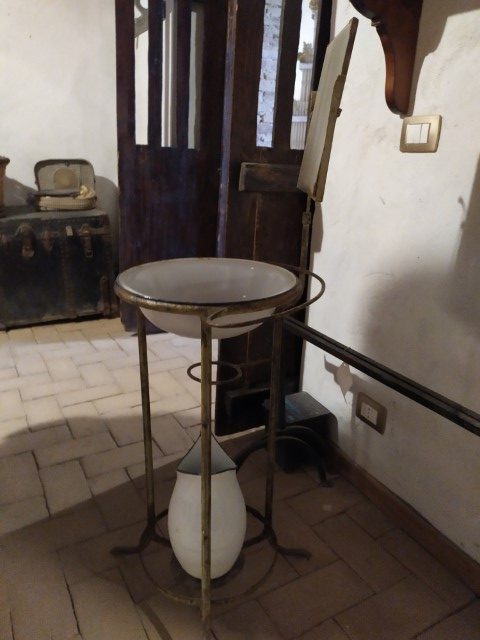
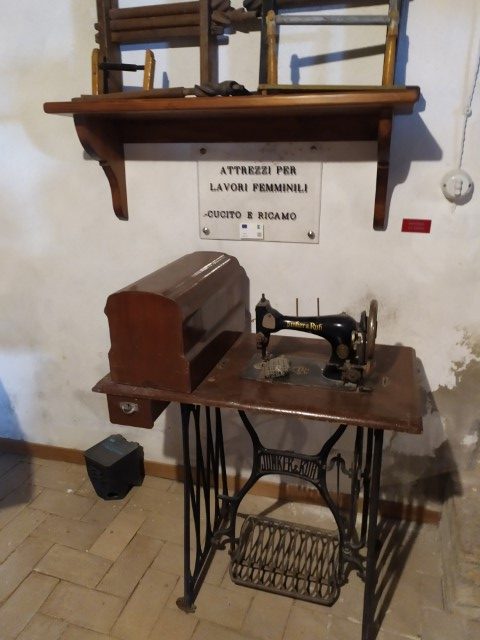
- House of exile and Museum of Peasant Civilization: At the entrance of the village is the house where Carlo Levi spent his months of exile in Aliano. The apartment he lived in is on the first floor, but there is a staircase leading to a terrace above from which you can admire part of the village and the surrounding territory. The house is unfurnished and bare, deliberately left that way after being emptied following Levi’s departure. In the largest room, a video explains the whole story of the exile, some episodes from the novel, and recounts the writer’s subsequent visits to Aliano 4. On the ground floor is the Museum of Peasant Civilization, displaying typical furnishings of our great-grandparents’ homes and many tools and instruments they used in daily life. Unfortunately, the environment seemed somewhat neglected, too dusty, and poorly maintained.
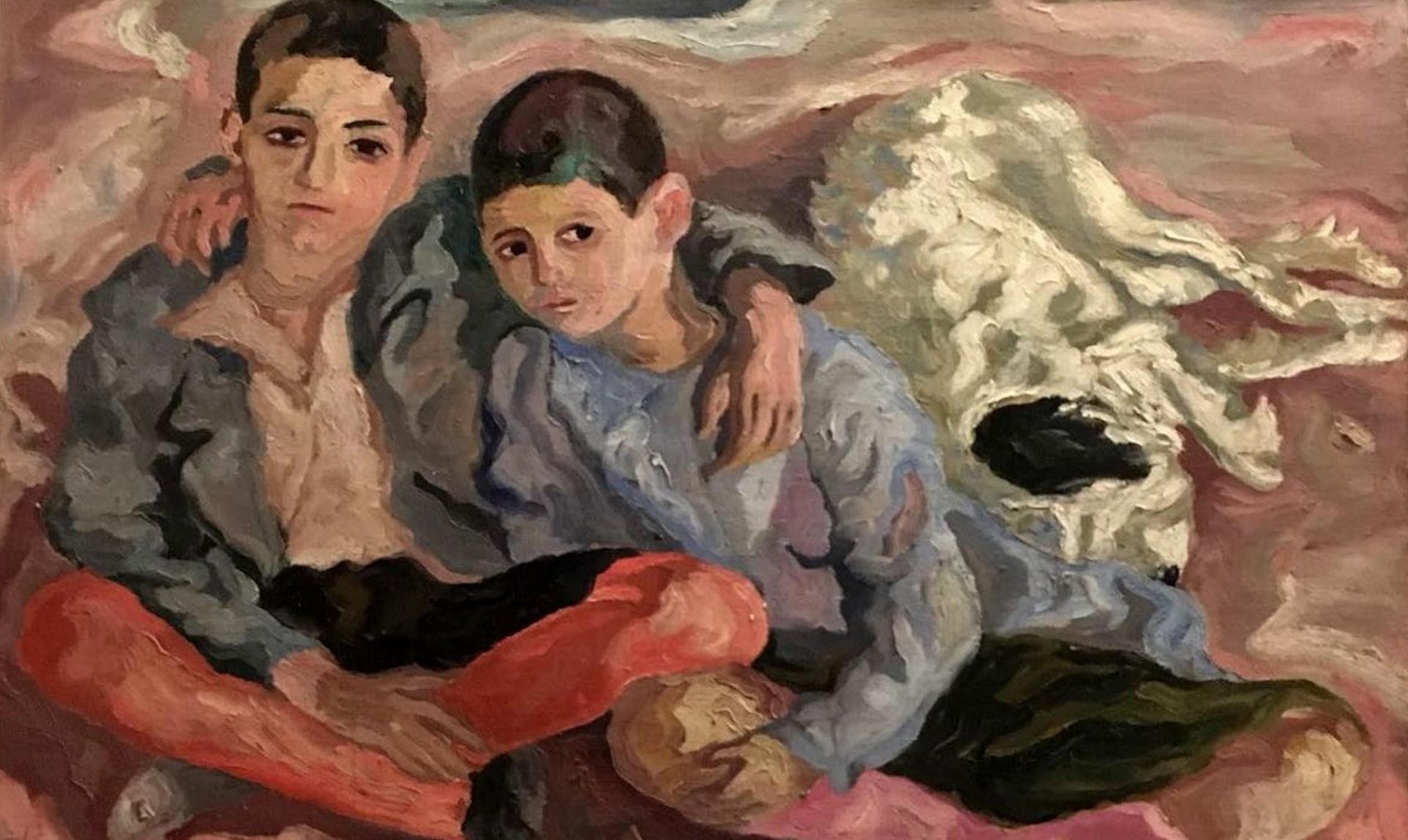
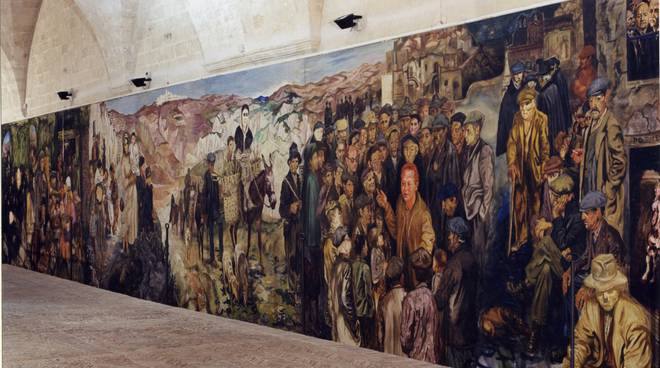
- Art Gallery: Right behind the main square (Piazza Garibaldi) is an Art Gallery exhibiting some paintings by Carlo Levi, who, besides being a doctor, was also a writer and poet. There are also many photos donated by Levi himself, related to his subsequent visits to the village and other events up to the day of his funeral.
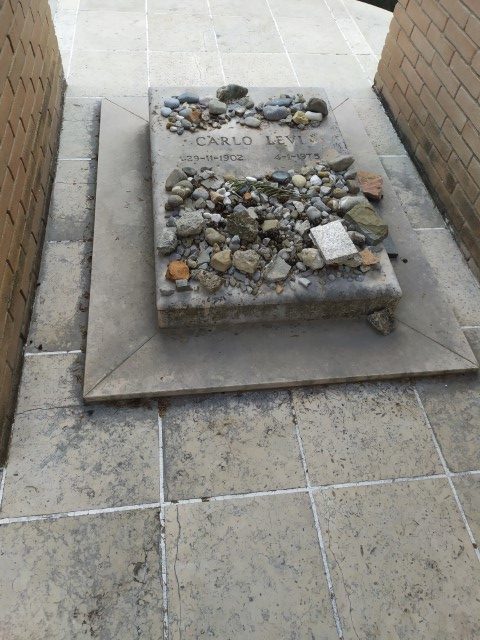
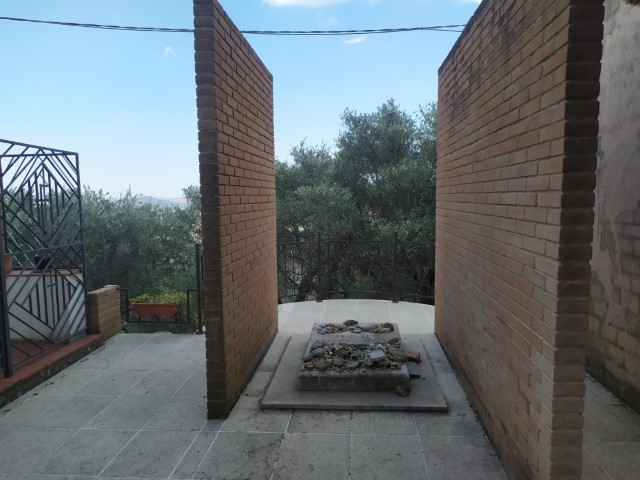
- Carlo Levi’s Tomb: Located in the Aliano cemetery, atop a small hill just outside the village. It is accessible by car or on foot. Here lie all the protagonists of the novel and the author himself, who explicitly requested to be buried there after his death. Carlo Levi’s tomb is simple, on the ground, covered by a marble slab on which flowers and stones are placed.
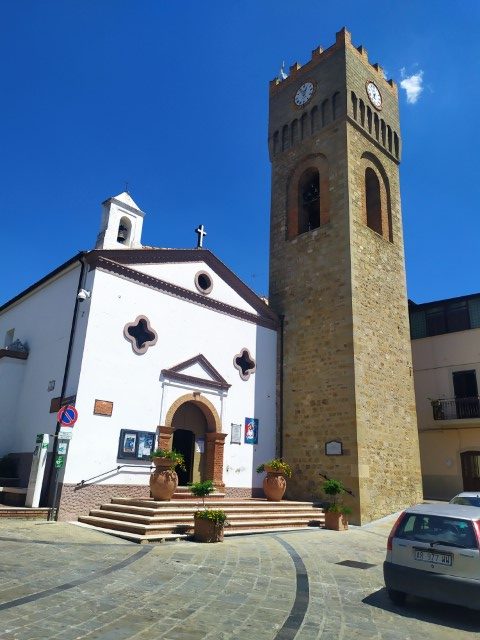
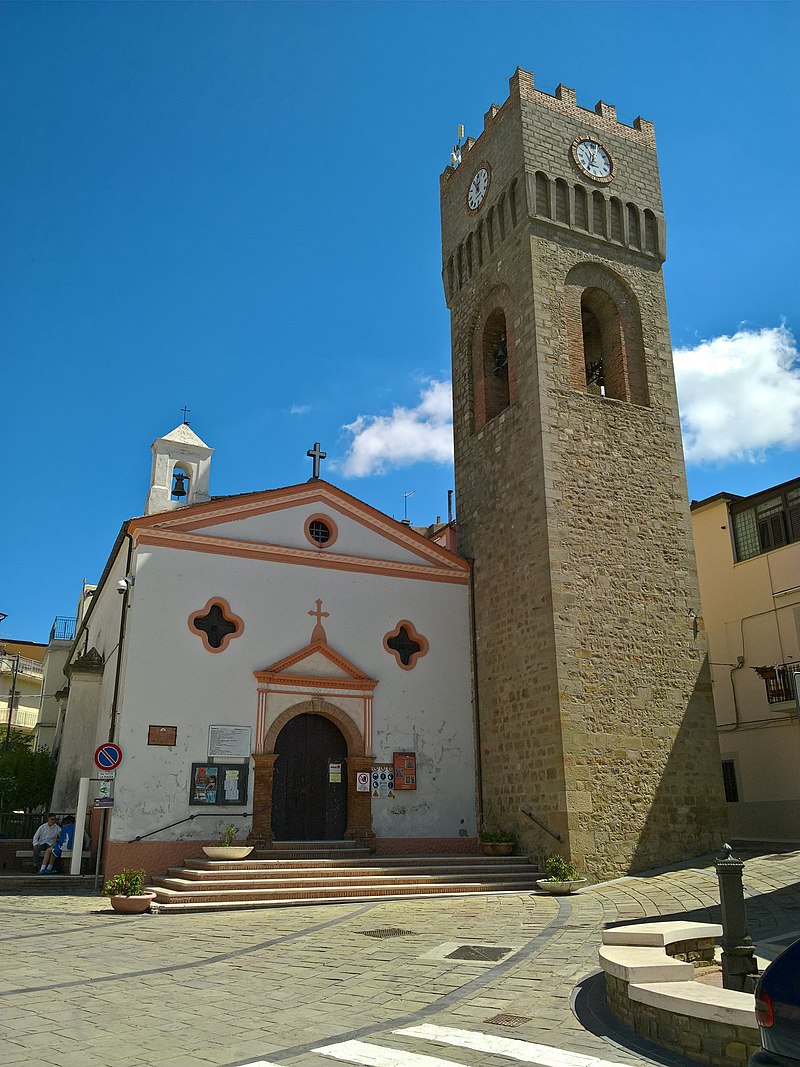
- Church of San Luigi Gonzaga: Located in a small square above the main square and opposite Palazzo Scelzi, it dates back to the 16th century and houses Byzantine-origin paintings depicting the Madonna and Child inside 5.
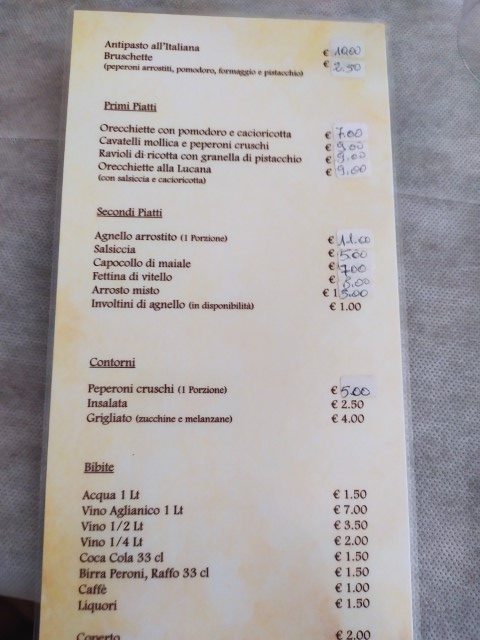
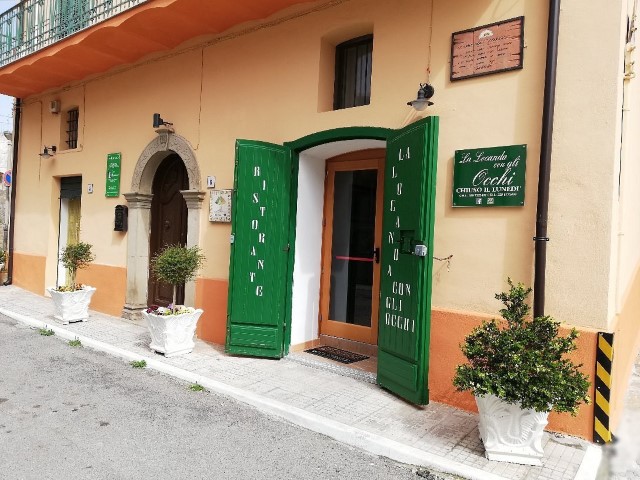
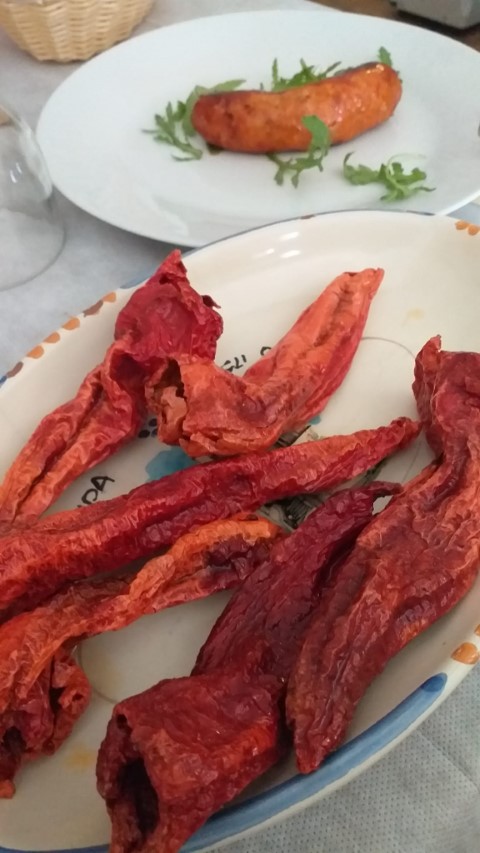
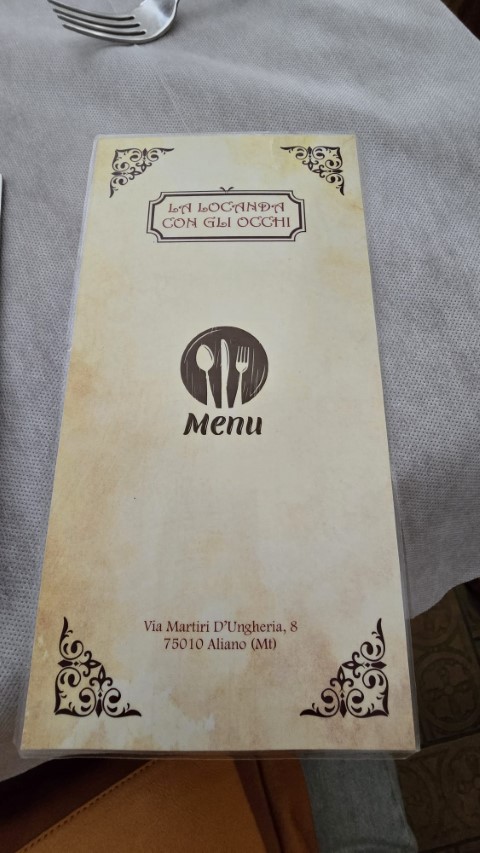
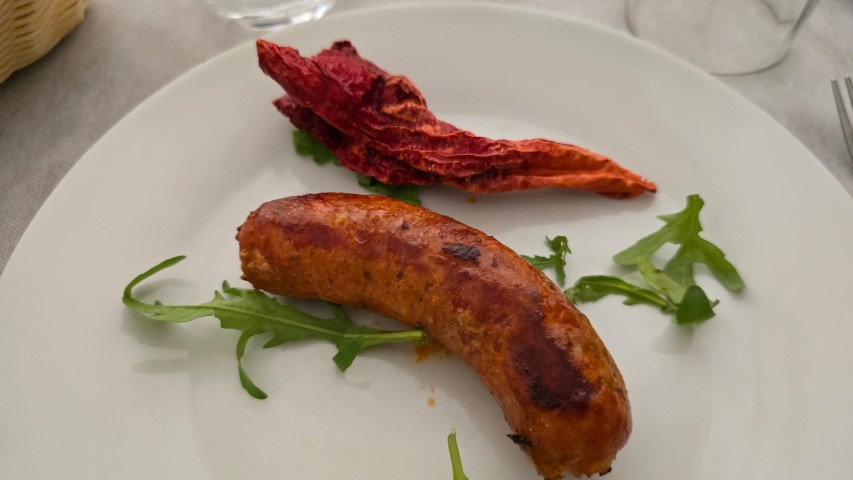
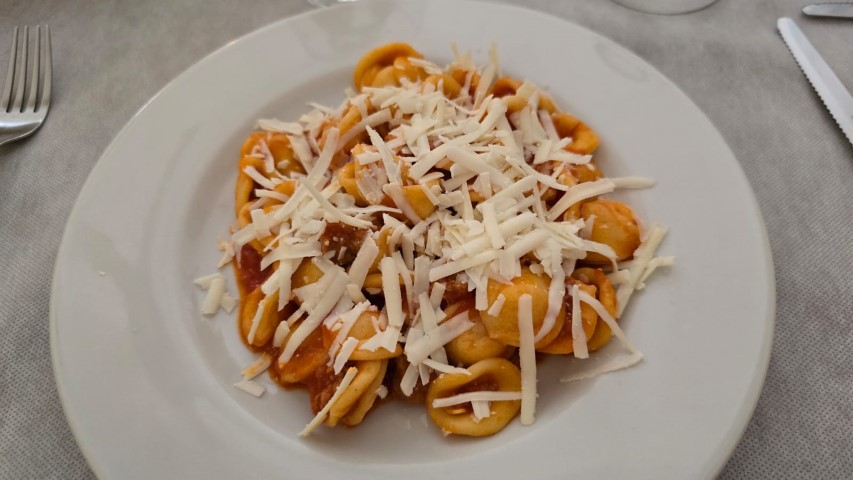
- Locanda con gli occhi: The restaurant where we had lunch. It is family-run, serving simple but good dishes: peperoni cruschi, orecchiette, lamb, sausage, capocollo, cavatelli, etc. We were very satisfied with both the meal and the hospitality. For those who want to go, remember it is located at via Martiri d’Ungheria, 4 and no longer in piazza Garibaldi, as mistakenly stated by Tripadvisor.
Considerations
My judgment of the day spent in Aliano might be influenced by the infernal heat we endured, as it was one of the hottest, most sultry, and humid days of this summer (the car thermometer at one point showed 45 degrees Celsius, and that says it all!!!).
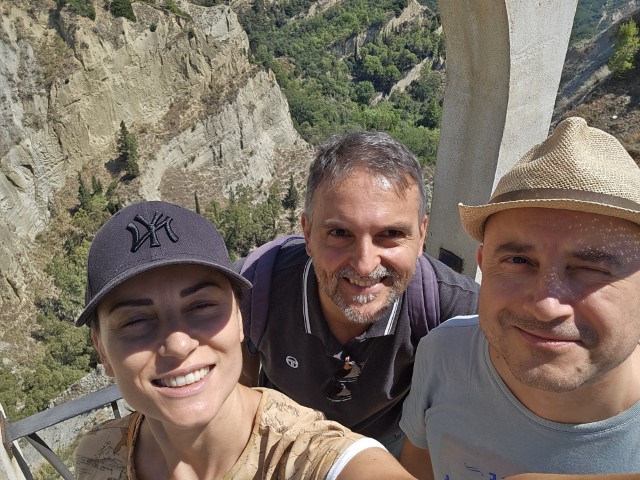
However, besides the pleasant company and the usual excellent Lucanian lunch, what I will remember most fondly is the view of the landscape. The calanchi evoke feelings that stay with you and immediately come to mind when thinking of that area of Basilicata because it is very original and surprising.
Otherwise, I believe the people of Aliano do well to leverage the fame of their guest and the book he wrote, but they could do even better. I refer to the visiting hours of the sites, the fact that the tourist reception center was closed, the impossibility of seeing the nativity scene by artist Francesco Artese hidden in a room behind the church and inaccessible to the public, the state of maintenance of the museum, and the lack of guides, audio guides, or similar aids that could make the visit more interesting and enjoyable and help better appreciate what is seen.
The day before the trip, for example, we inquired about the possibility of guided tours, but we were told that in August it was not possible.
Finally, I did not notice many accommodation facilities, in case someone wants to stay overnight to enjoy the tranquility and beauty of the place.
That said, it seems to me a place with potential not adequately exploited in terms of tourism and hospitality, especially suitable for trekking and spending days of rest and tranquility.
Notes and references
1Whatever you want to visit in Aliano (Museum, House of exile, Art Gallery, etc.), it is advisable to check in advance the opening and closing days because even if you want to go in summer, when naturally there are more tourists, it is not guaranteed that they are open.
2 “I arrived in Gagliano one August afternoon, brought in a small battered car. My hands were tied, and I was accompanied by two sturdy State representatives, with red bands on their pants and expressionless faces. I came reluctantly, prepared to see everything ugly because I had to leave, by sudden order, Grassano, where I lived before, and where I had come to know Lucania… Unloaded and handed over to the municipal secretary… I remained alone in the middle of the street. I then realized that the village was not visible upon arrival because it descended and wound like a worm around a single steep street, on the narrow edge of two ravines, then rose and descended again between two other ravines, ending in the void.” [4]
3 “The square is really just a widening of the only street in the village, at a flatter point, where Gagliano di Sopra, the upper part, ends. From here, you go up a bit more, then descend again, crossing another small square, to Gagliano di Sotto, which ends at the landslide. The square has houses on one side only; on the other, there is a low wall above a precipice, the Bersagliere’s Pit, so called because a Piedmontese bersagliere was thrown there, lost in these mountains during the brigandage and captured by the brigands.” [4]
4 “We soon reached the palace: indeed, it was the only building in the village that could bear this name. Outside, it looked gloomy with its blackened walls, small barred windows, and signs of centuries of abandonment… I threw open a French window, leaned out onto a balcony with a precarious 18th-century iron railing, and coming from the shadow inside, I was almost blinded by the sudden dazzling whiteness. Below me was the ravine; ahead, without anything obstructing the view, the endless expanse of arid clays, without a sign of human life, undulating in the sun as far as the eye could see, where, very far away, they seemed to dissolve into the white sky.” [4]
5 “The church was nothing but a lime-whitewashed, dirty, and shabby large room, with a bare altar on a wooden platform at the back, and a small pulpit attached to a wall. The walls, full of cracks, were covered with old 18th-century paintings with flaking canvases and many tears, badly hung in disorder in several rows.” [4]
Some photos:
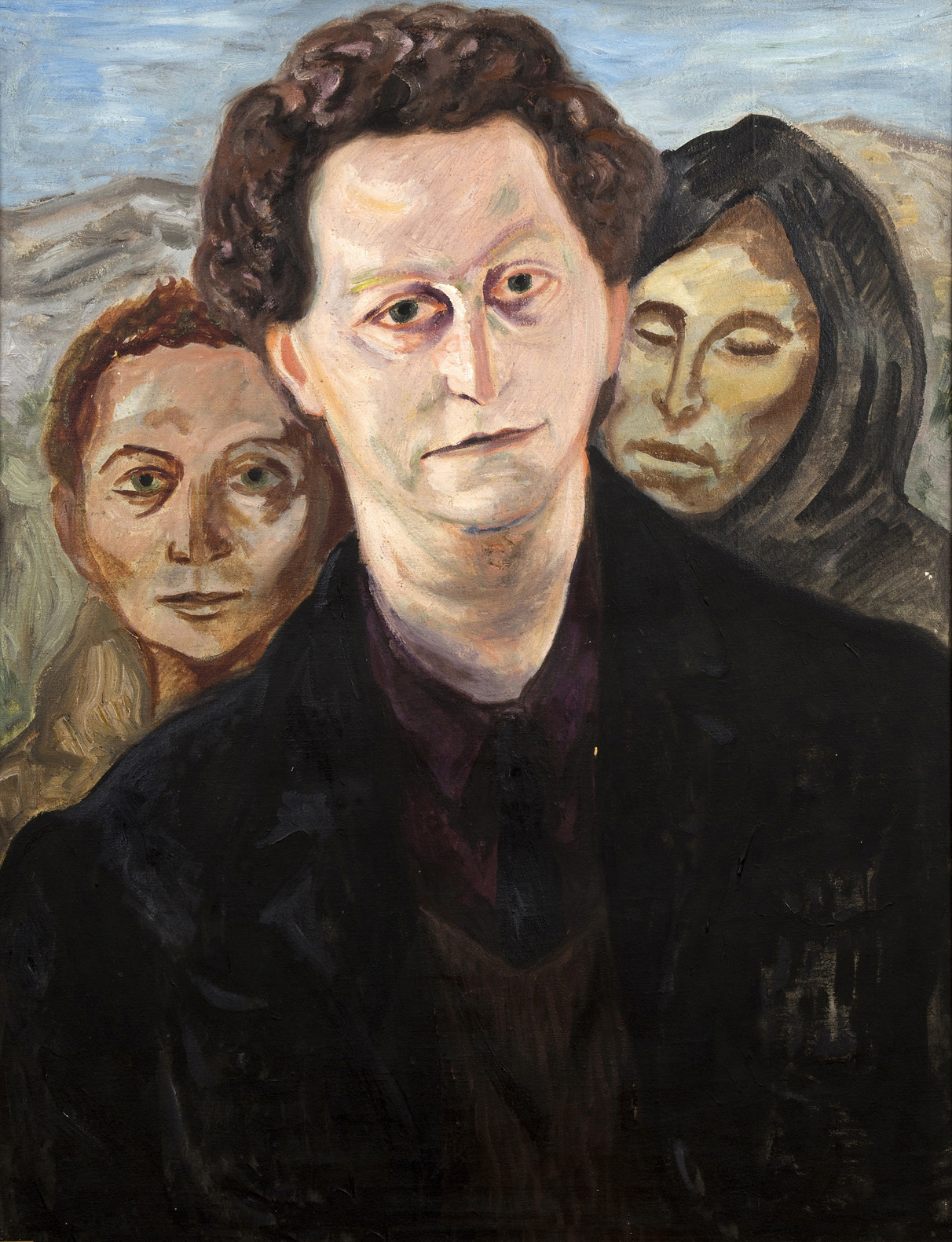
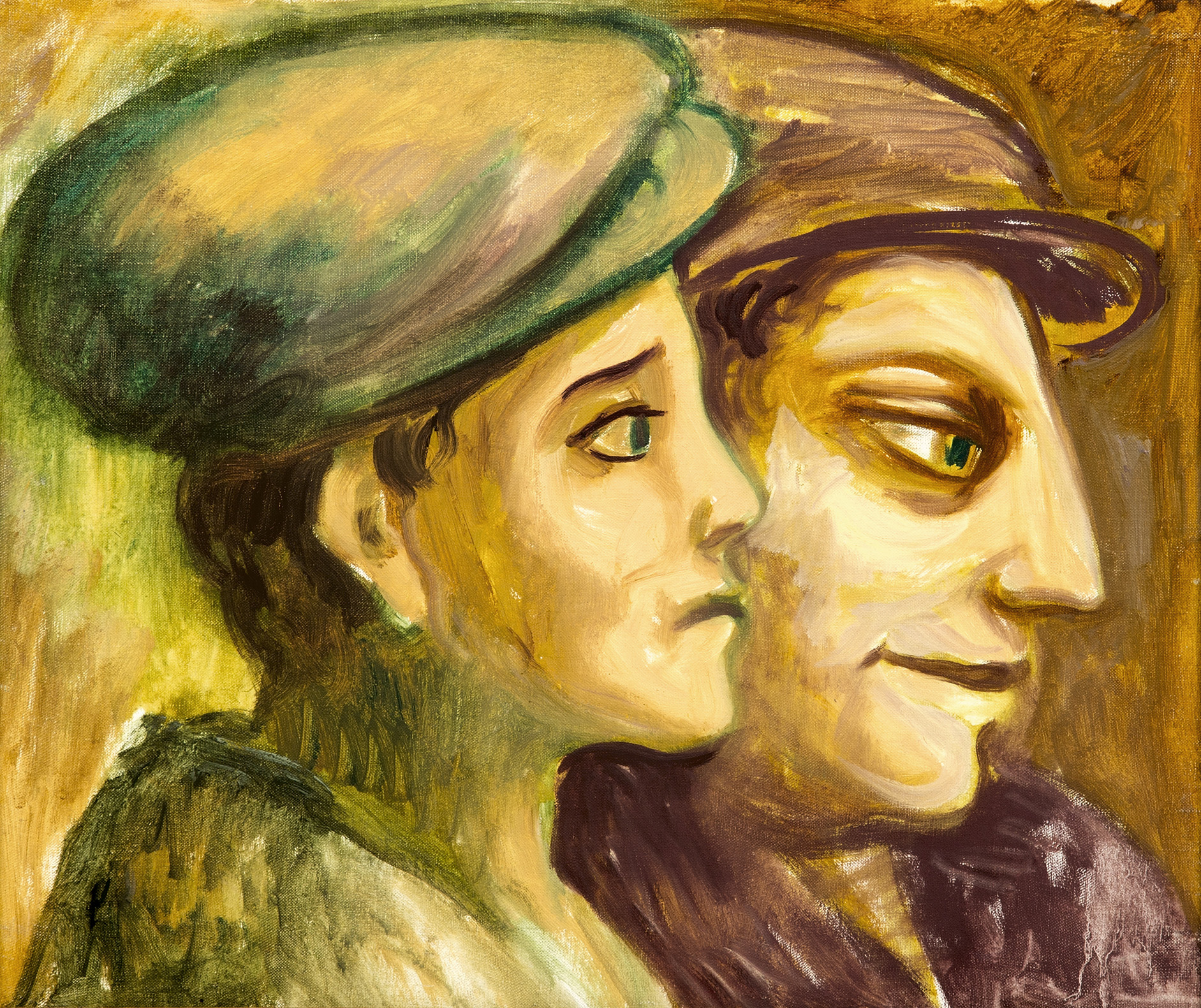
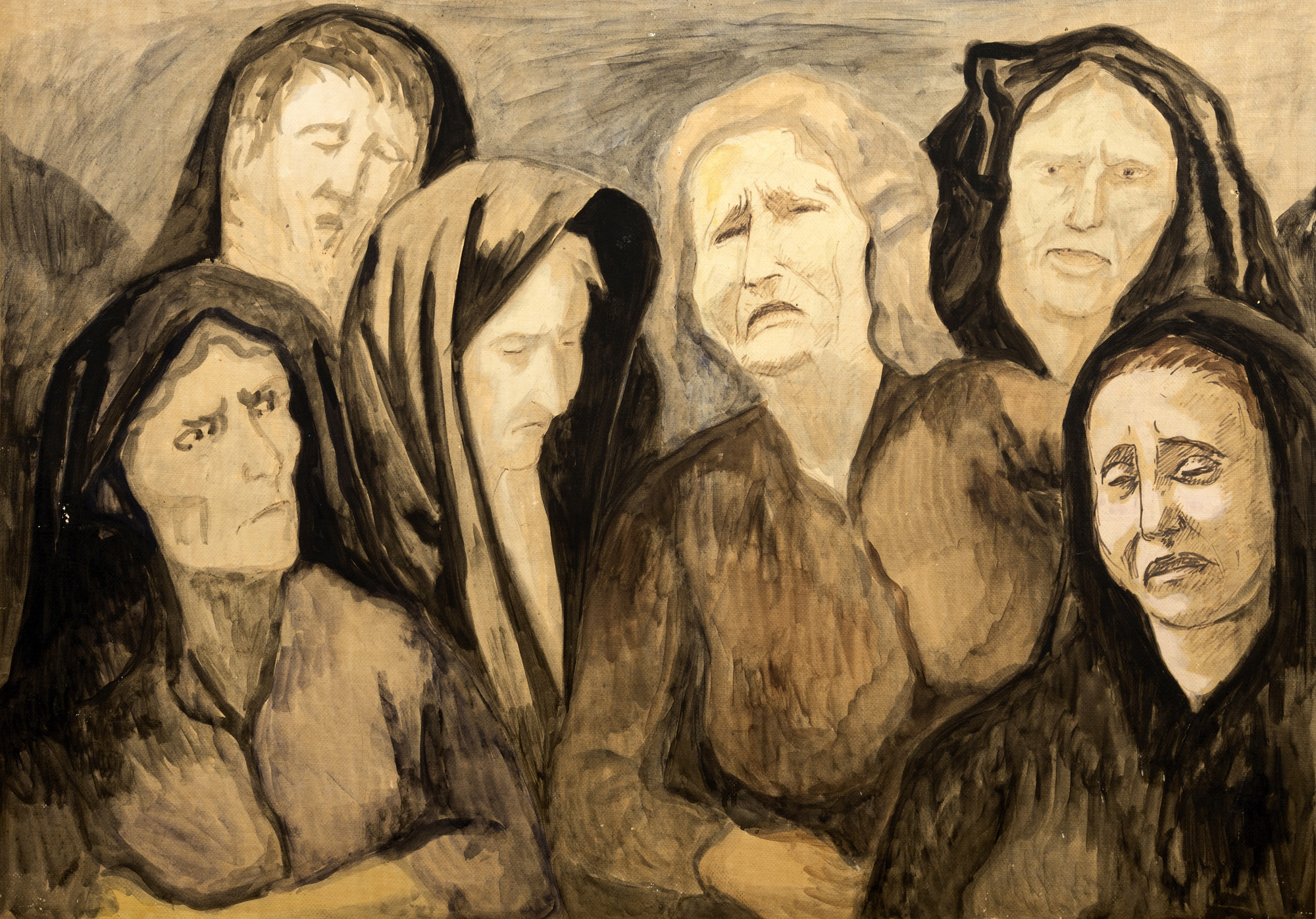
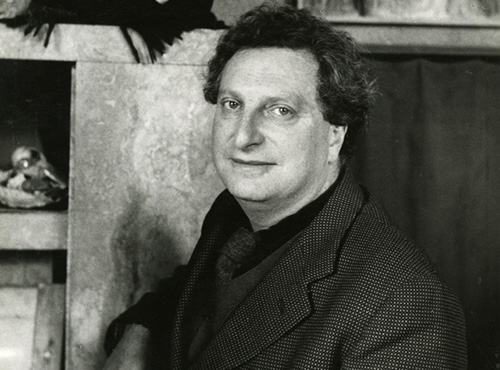
Sources and references
- [1] Location of Aliano on Google Maps.
- [2] Museums of Aliano, official site: Art Gallery – Museum of Peasant Civilization – House of exile.
- [3] Carlo Levi Literary Park.
- [4] Christ Stopped at Eboli, Carlo Levi, Einaudi.
- [5] The calanchi: an incredible place to see in Basilicata on the blog GiroIlMondoInGiro.it.
- [6] The Eye of the South Giulio Petroni, 1954 – Carlo Levi paints in the streets of Grassano – video on Youtube.
- [7] Christ Stopped at Eboli by Carlo Levi. Aliano, the Lucanian village where Carlo Levi was exiled by Umanistica online.
- [8] Locanda con gli occhi, excellent restaurant in Aliano.
- [9] Description of the painting: “Lucania ’61” by Carlo Levi – video on Youtube.
- [10] L’arse argille consolerai: Carlo Levi, from exile to the Liberation of Florence through testimonies, photos, and unpublished documents by Nicola Coccia.
- [11] Film location “Christ Stopped at Eboli” on ItalyForMovies.it.
- [12] Literary plaques of Aliano on Facebook.
*** Note: This article was translated using an automated workflow created with n8n and OpenAI.