
All animal species communicate with each other in ways that are more or less complex and effective, but only we humans have developed a language that allows us to talk about any topic—present, past, future, hypothetical—and even enables us to discuss abstract concepts or things that do not exist.
Communication in other animals is almost always focused on the present and urgent needs, consisting of simple vocalizations that do not allow for articulated discourse.
So why is it that only humans speak, and how did this ability arise?
The book by Lorenzo Pinna, journalist and science communicator (he is one of the authors of Quark), does not provide a definitive answer to these questions but presents the most accredited hypotheses and describes them in a very clear and understandable way, despite the complexity of the topic.
For much of the book, the author covers various preparatory topics to the main theme:
- the characteristics and architecture of language (chap. 1),
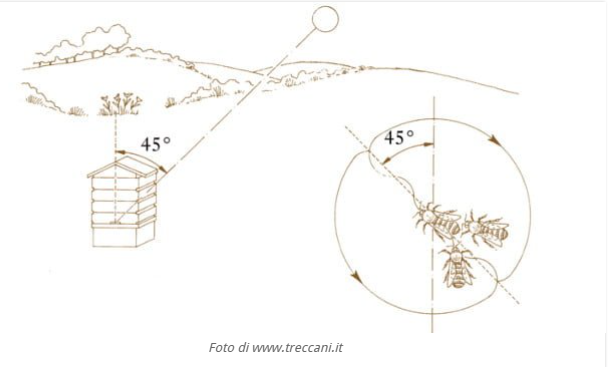
- how, when, and why animals communicate with each other (chap. 2),
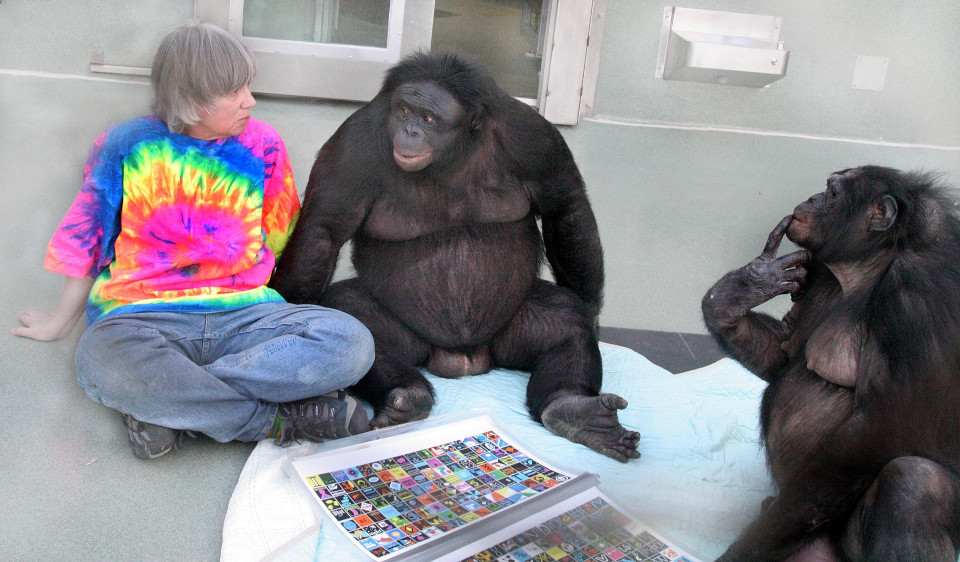
- experiments conducted over the years on various animals to understand their capabilities, especially the ability to learn a language (chap. 3),
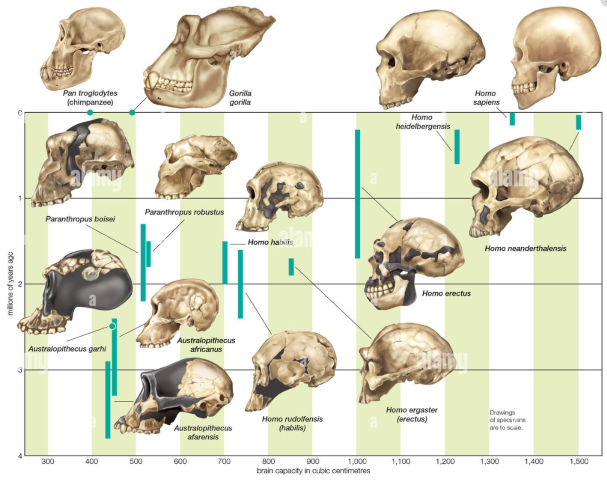
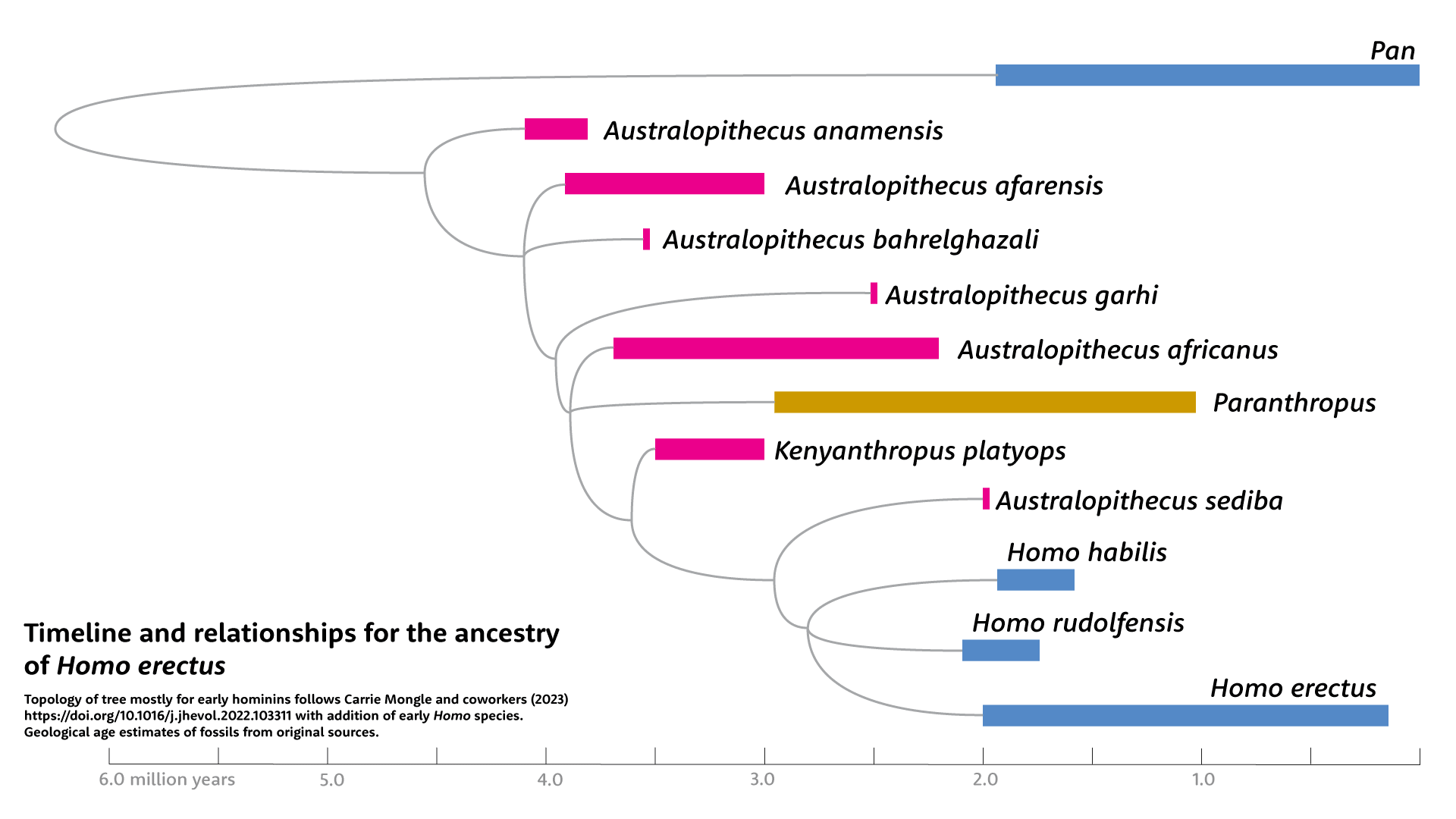
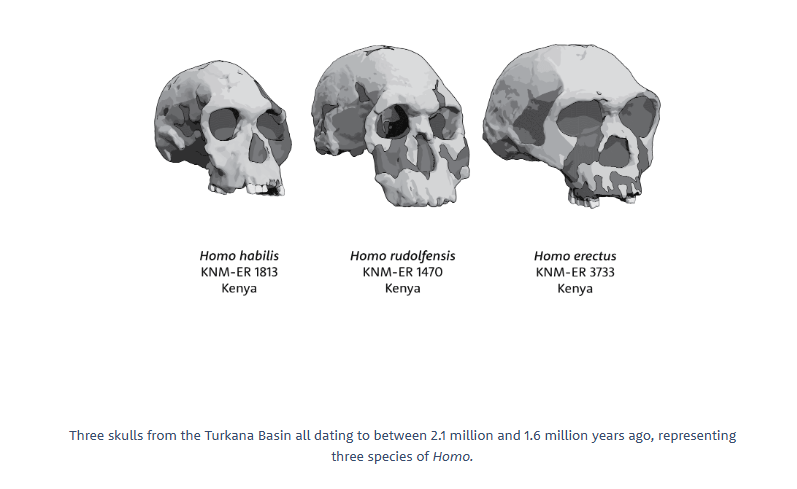
- some of the main stages of human evolution and the species that have inhabited the Earth (chap. 4 and 5),
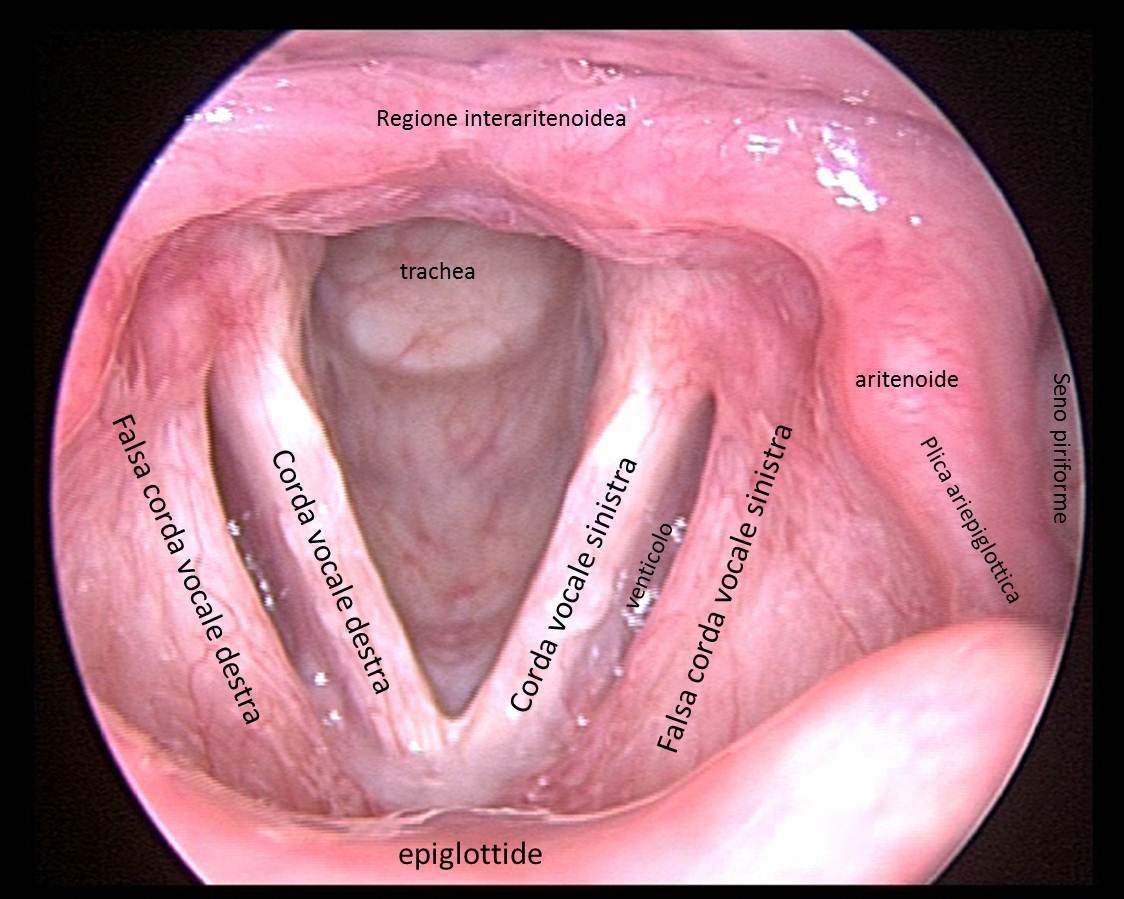
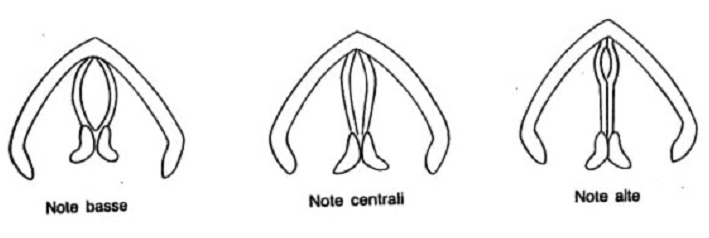
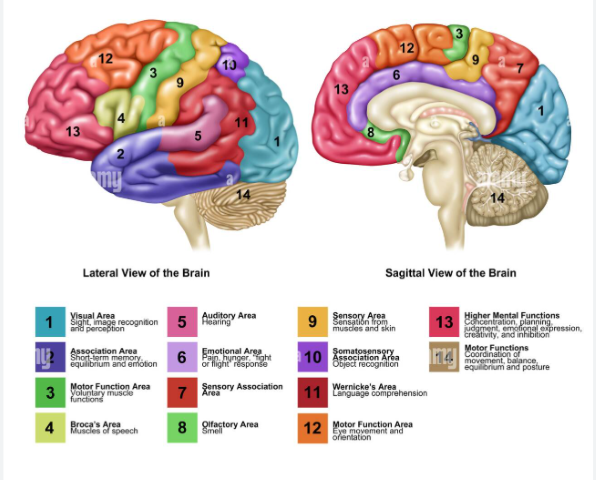
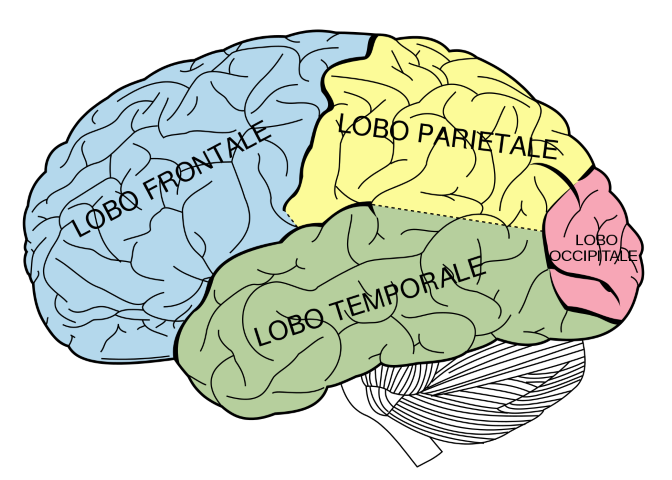
- the organization of the human brain and the components involved in language production and comprehension (chap. 6),
- the acquisition by humans of “symbolic” abilities (chap. 8 and 10);
only in the last chapters (chap. 7 and 8) are the four hypotheses on the origin of language, which give the book its title, presented.
Other animals, as the author often reminds us, use language only for communications related to the “here and now” and these communications are mainly linked to three basic needs: eating, not being eaten, and reproducing.
Our dialogues are much more articulated and complex, but since in the end we are nothing more than a “naked ape“, we know that our ancestors shared many traits with current chimpanzees, including the inability to speak.
For some time, people have been wondering how it was possible to acquire this ability, and the most accredited hypotheses at the moment are the following:
- Lexical Protolanguage
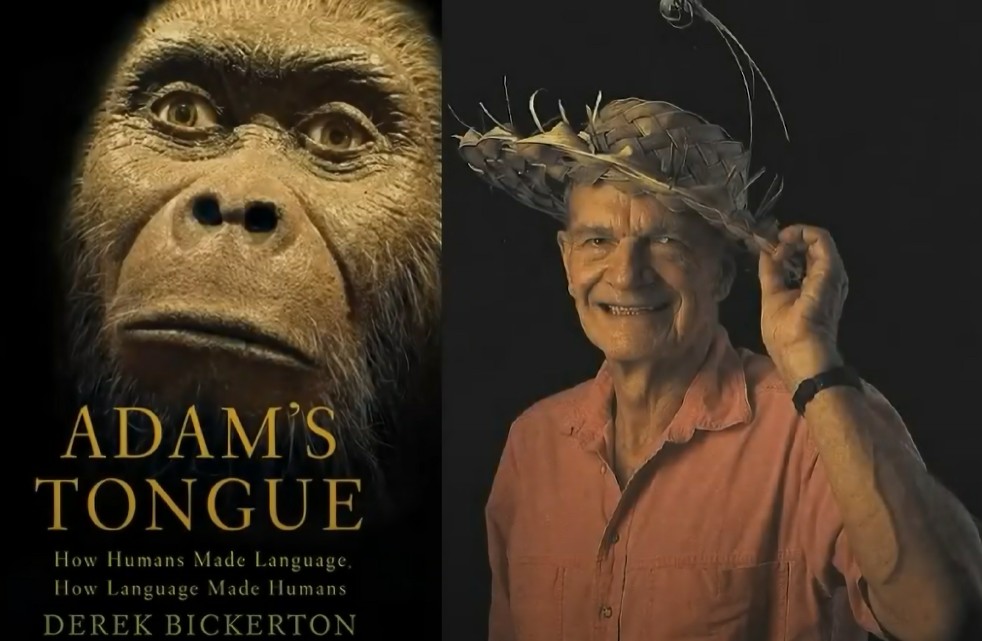
- Author: Derek Bickerton
- Description and origin: Language is a combinatorial system that arises from the multiplication of words used for increasingly diverse purposes, which, by combining with each other and adding rules (syntax), have over time enabled the expression of increasingly complex concepts.
- Evidence:
- “Wild” children.
- “Intelligent” animals that can learn simple words but not the rules to combine them.
- Language learning methods in children.
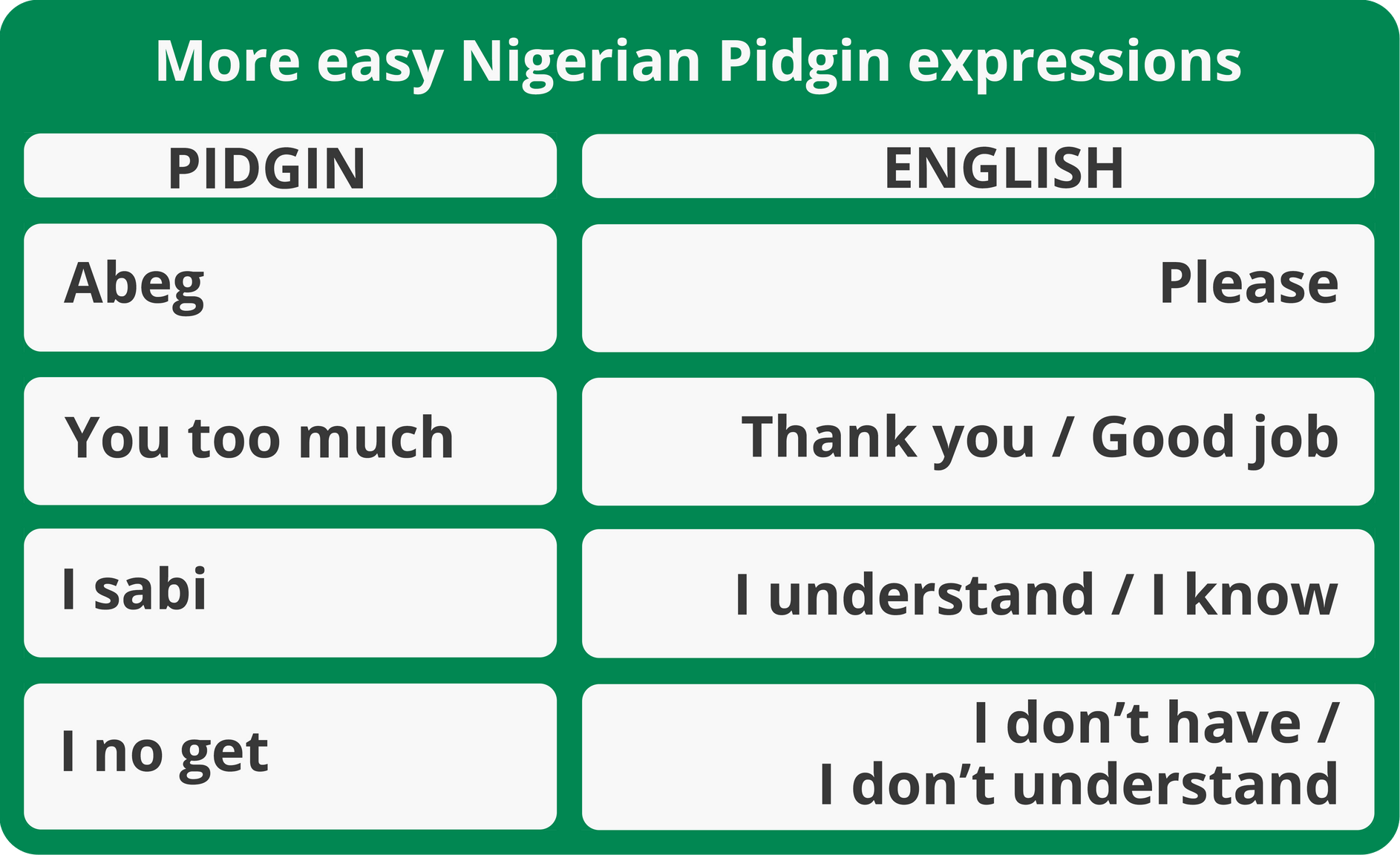
- Independent emergence throughout history and in various parts of the world of various types of Pidgin languages [5].
- Gestural Protolanguage
- Author: Gordon Winant Hewes
- Description and origin: Language originates from an evolution of gestural communication.
- Evidence:
- Success of sign language among the deaf for communicating with chimpanzees.
- Extensive repertoire of gestures, facial expressions, and body postures used by chimpanzees to communicate.
- Musical Protolanguage
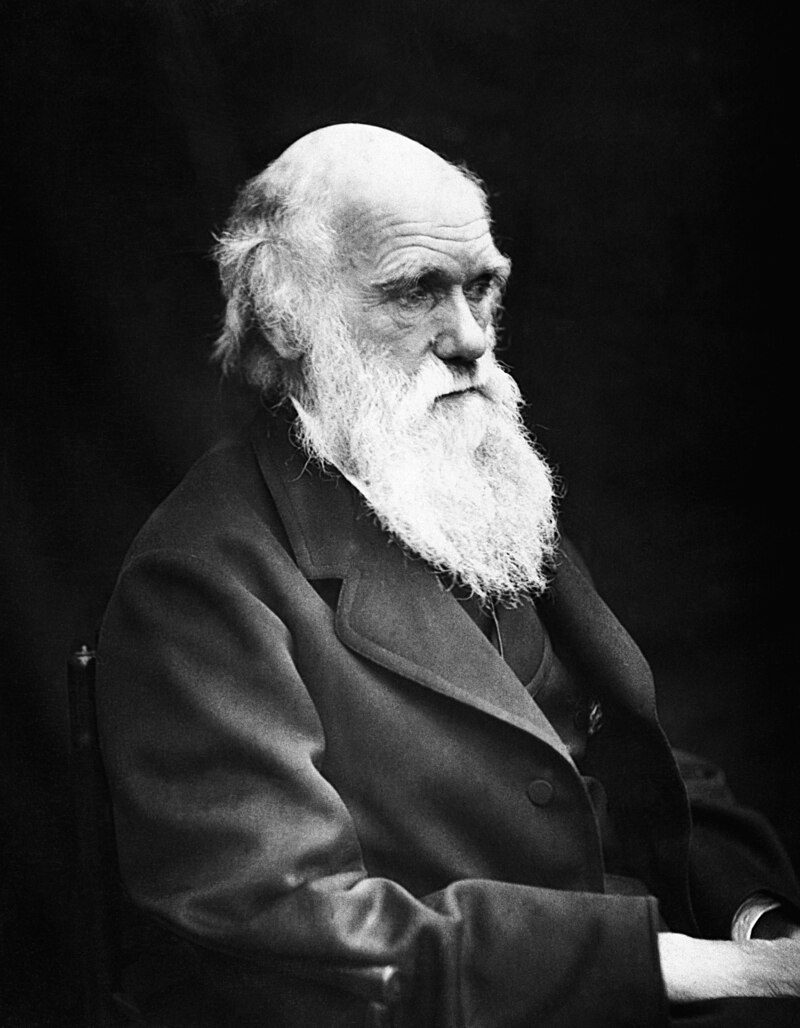
- Author: Charles Darwin
- Description and origin: The origin of language derives from the singing and musical abilities of animals. The phonological level evolved first and then gave rise to words and sentences (syntactic level).
- Evidence:
- Examples of other animal species using vocal virtuosity for various purposes.
- Motherese present in all languages worldwide [6].
- Symbolic Protolanguage
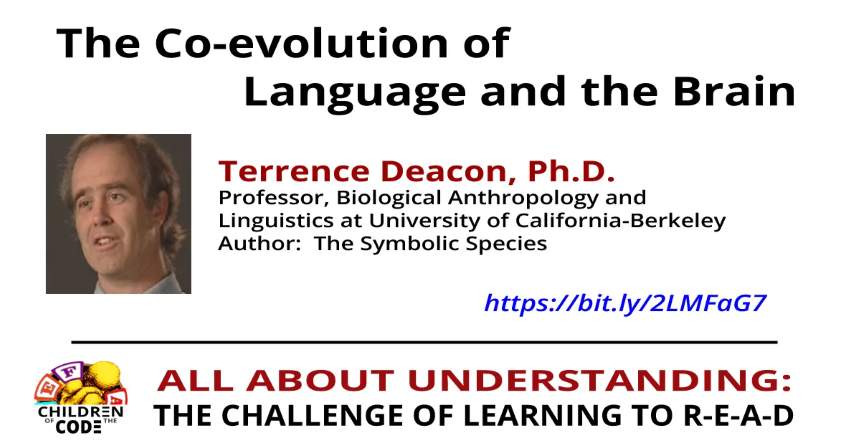
- Author: Terrence Deacon
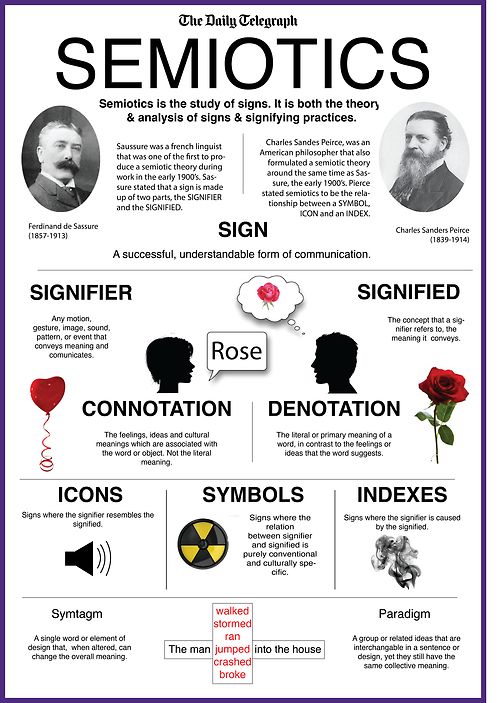
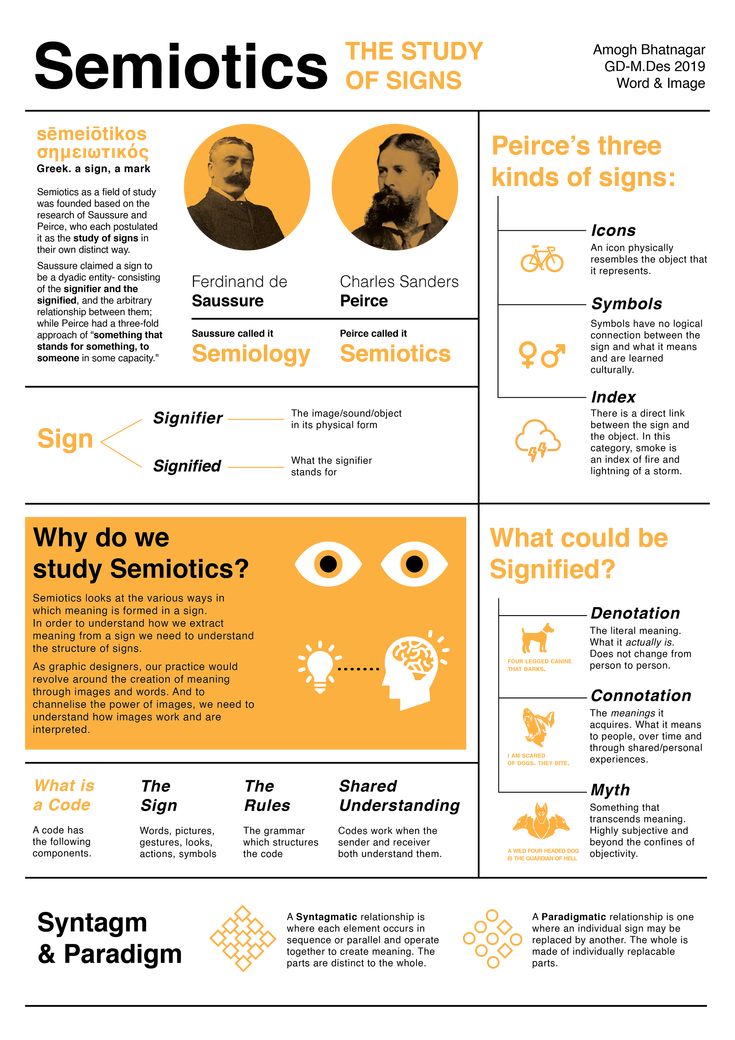
- Description and origin: Language is a consequence of symbolic abilities acquired by our ancestors (Homo symbolicus). Introduction of a three-level system: iconic, indexical, and symbolic system.
- Evidence:
- Enormous growth in size and complexity of the human brain.
- A symbolic system requires rules to relate symbols, which justifies the presence of syntax from the very beginning.
Considerations
The topic is very fascinating and also very current because it concerns one of the characteristics that distinguish us from other animal species and because, despite many advances in recent years, the mechanisms underlying language and its origin are still under study.
Since language leaves no fossils, nor the physical parts most closely related to this function, researchers have always tried to deduce how, when, and why language originated from other phenomena.
For this reason, animal experiments are often used, especially on chimpanzees, due to our close relationship with them. The book describes several such experiments, which sparked my curiosity to explore some of them further and possibly write a post.
I do not have the expertise to indicate which of these four hypotheses is more credible; I simply acknowledge them. What seems certain is that the ability to speak exists in the human brain as a predisposition but must be developed within a few years. Regarding the first claim (innate ability), I rely on the results of experiments on chimpanzees, which seem to show that they can acquire comprehension of individual words but lack the ability to combine them into complex sentences. Regarding the second claim (ability to develop early), I base this on accounts of so-called wild children, who, once brought back to civilization, were still unable to learn a language.
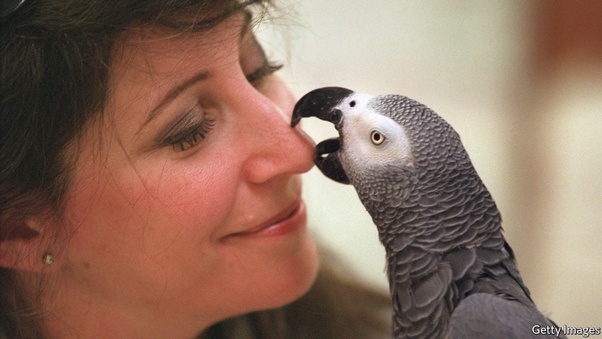
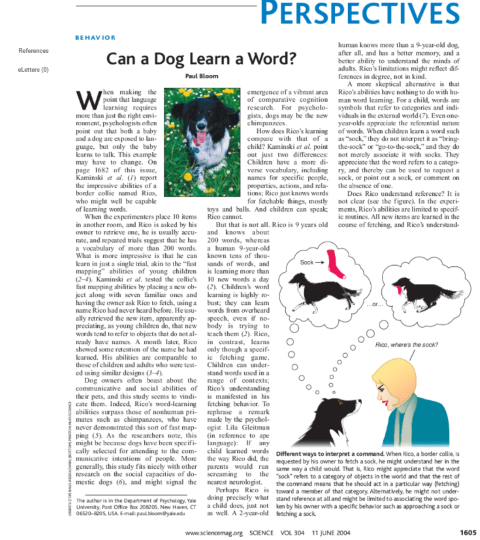
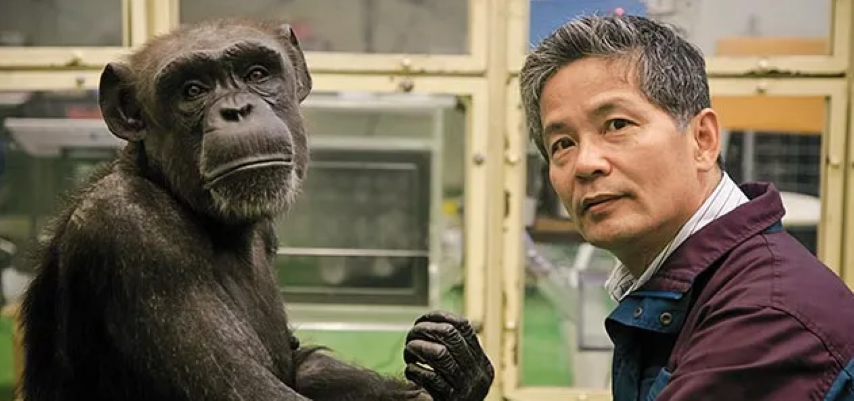
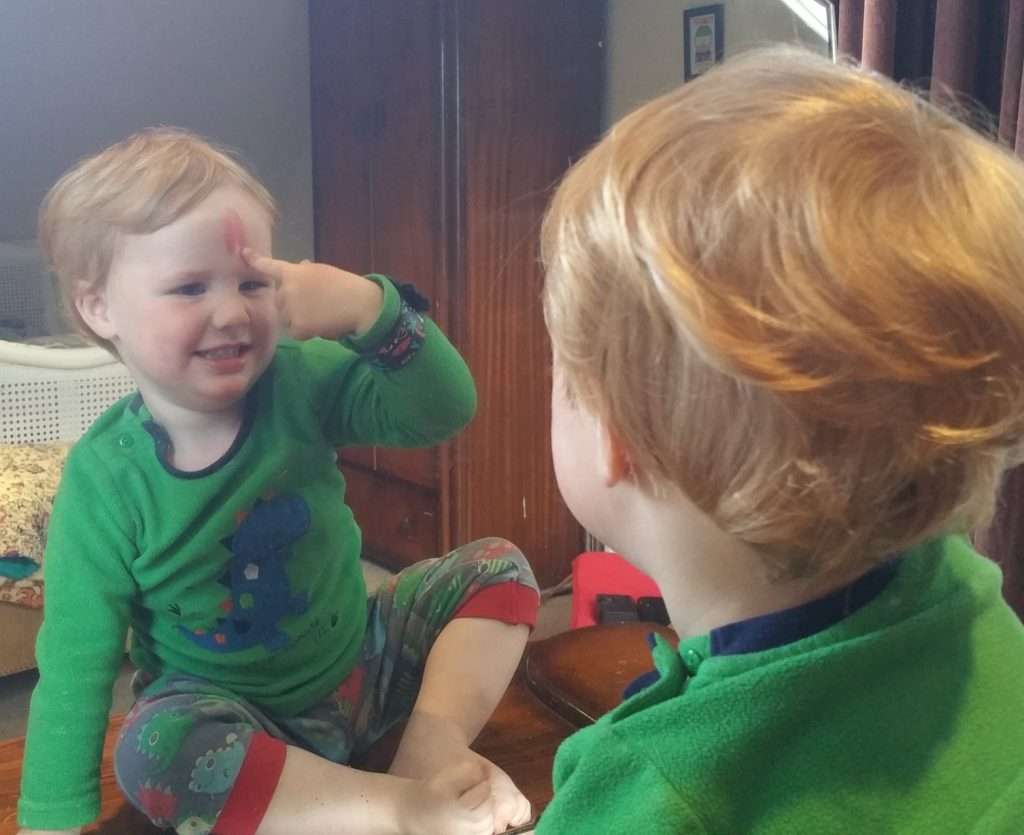
Some photos ***
**** The images in the article and photo gallery are taken from Google Images. We cannot verify any copyrights or trace the authors. If an author contacts us, we will gladly indicate the source or remove the image if requested. You can use the site contact form for such reports.
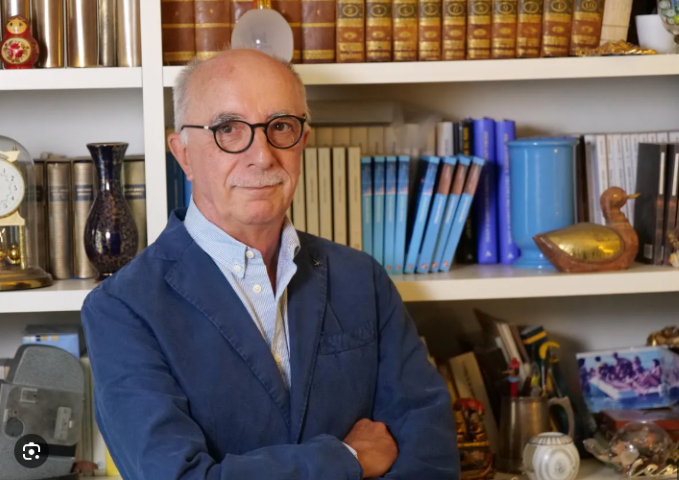
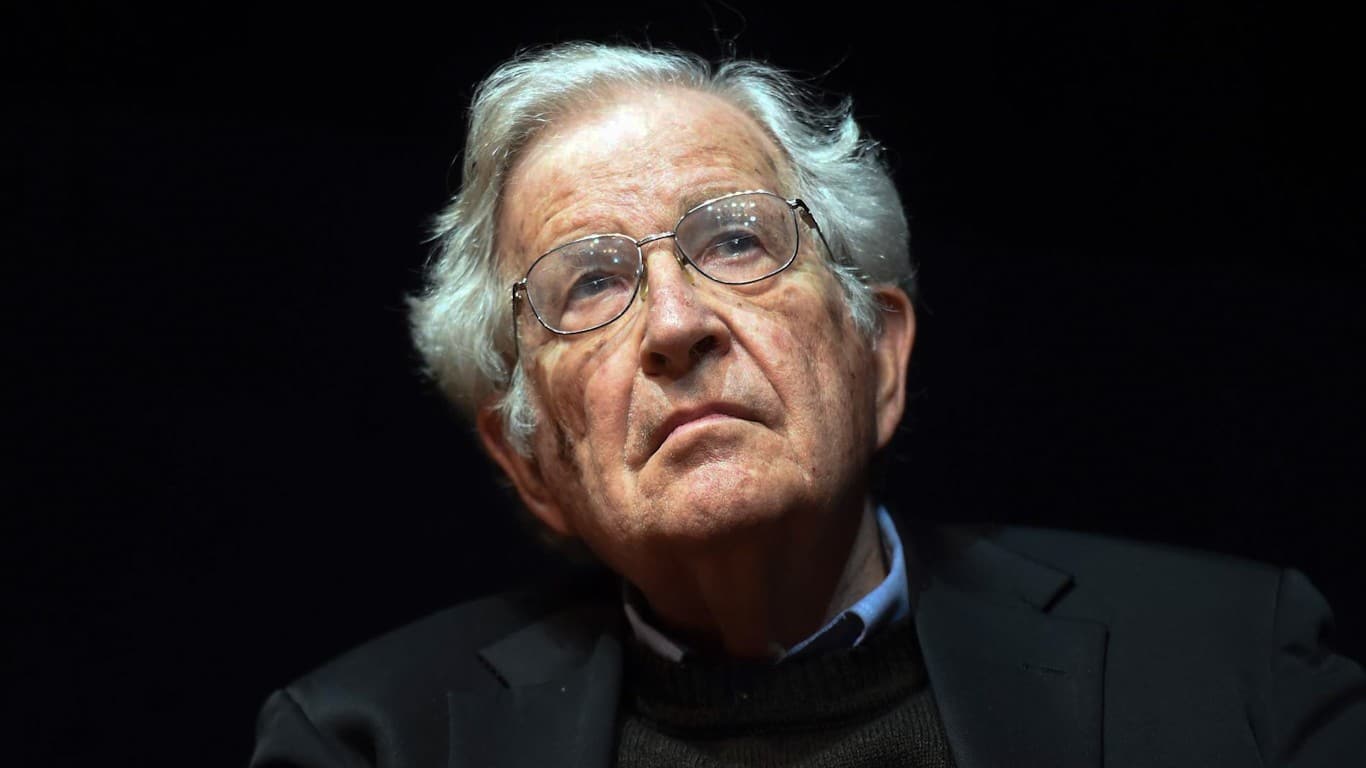
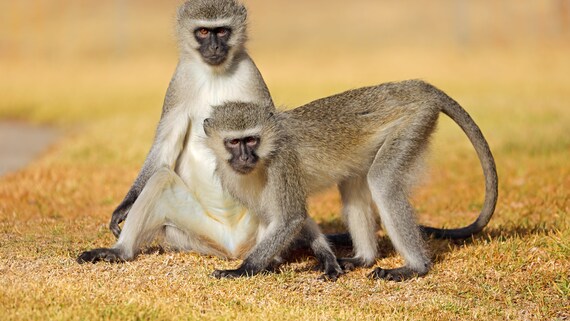
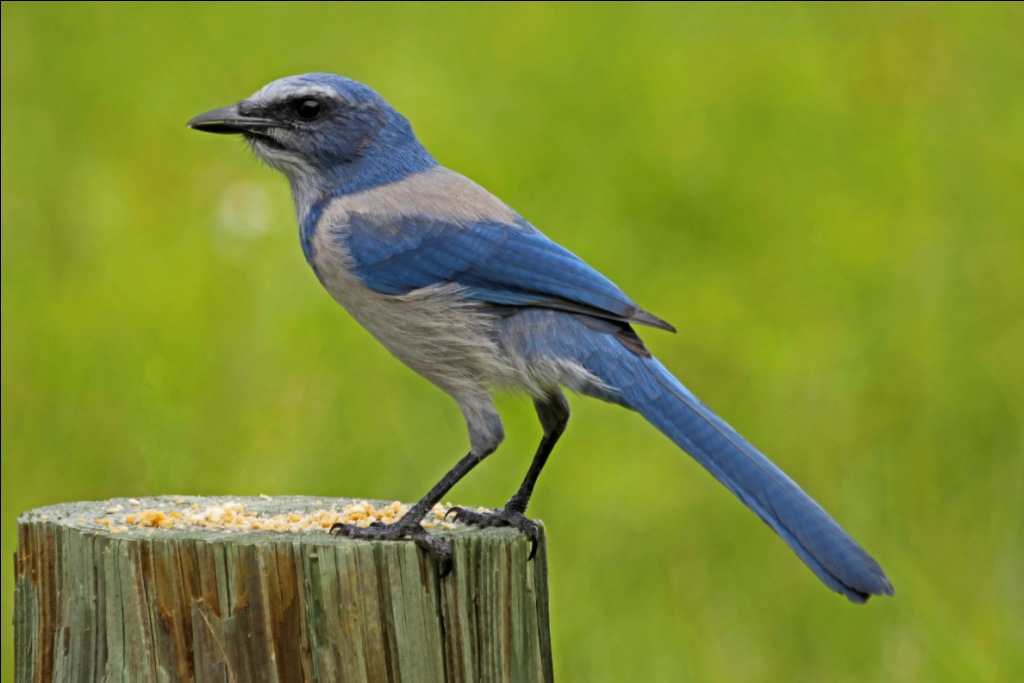
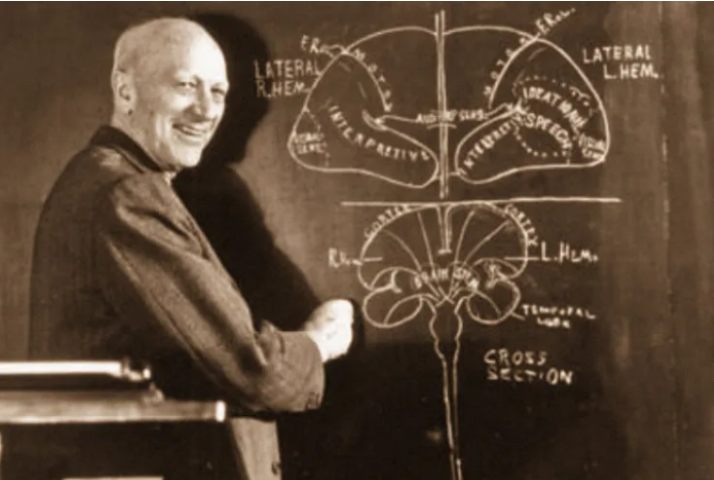
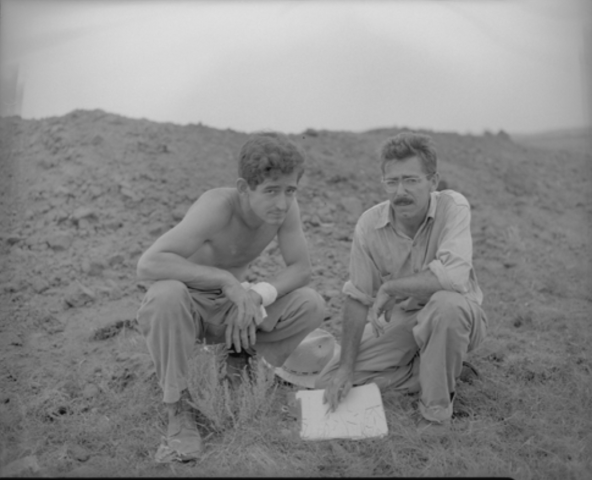
If Manzi’s book was poor in illustrations, this one is completely devoid of them. A pity; as usual, I understand that printing photos is expensive, but it is always nice to visualize what you are reading with diagrams or tables and see the protagonists of the stories. So, in this case, I collected some photos from the Internet for each chapter of the book.

Sources and references
- Lorenzo Pinna, Quattro ipotesi sull’origine del linguaggio, Torino, Codice Edizioni, 2024. ISBN 979-12-5450-115-3
- Lorenzo Pinna, 10 minuti. Ai confini dell’ignoto, YouTube Channel:
- Gabriella Giudici, The Wild Boy of Aveyron, blog.
- François Roland Truffaut, The Wild Child, Milk scene.
- Pidgin language on Wikipedia.
- Motherese or baby talk on Wikipedia.
- YouTube videos about Irene Pepperberg experiments on the parrot Alex:
- The Waggle Dance of the Honeybee, Georgia Tech College of Computing on YouTube.
*** This article was translated using an automated workflow created with n8n and OpenAI.