
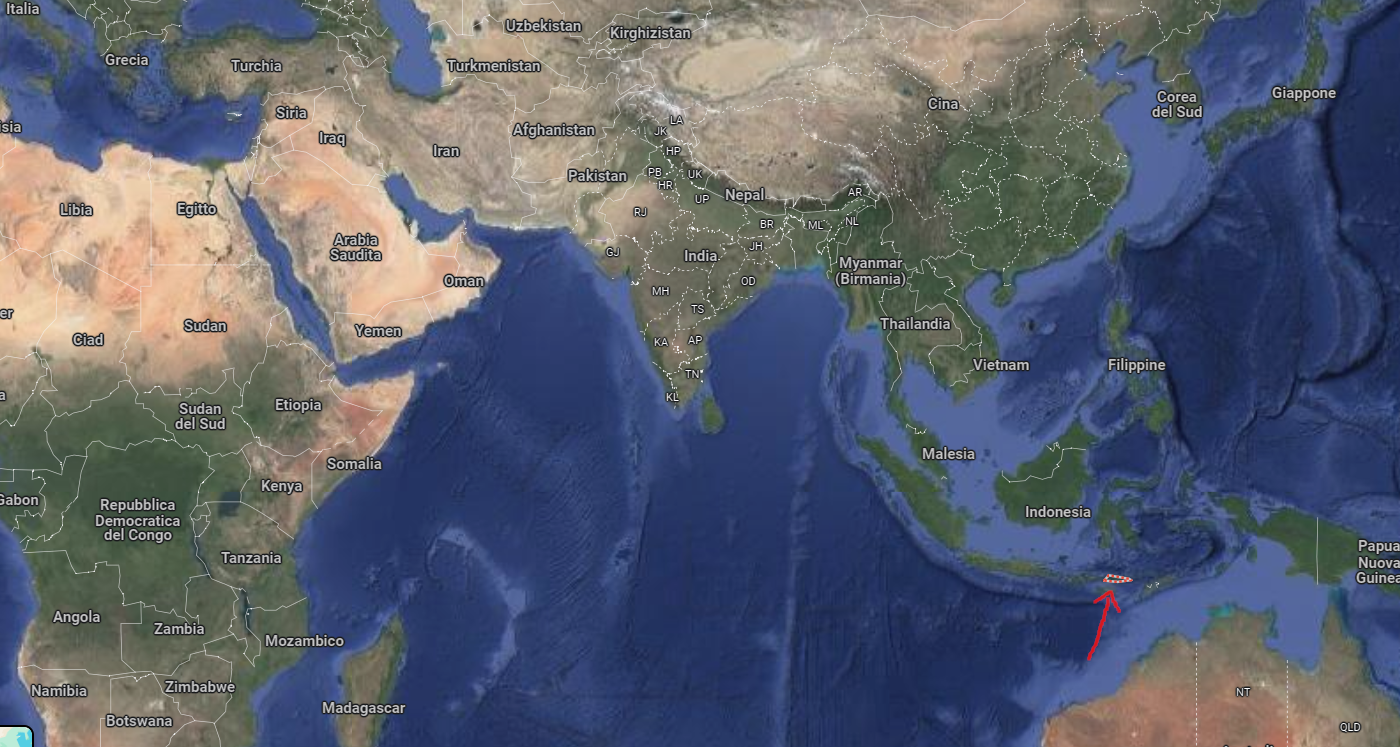
This post discusses the island of Flores, in the Philippines, located on the border of the Wallace Line and the remains found here of an extinct human species named Homo floresiensis. The physical characteristics of these hominins raise interesting questions about human evolutionary history and challenge some long-held beliefs.
Flores Island
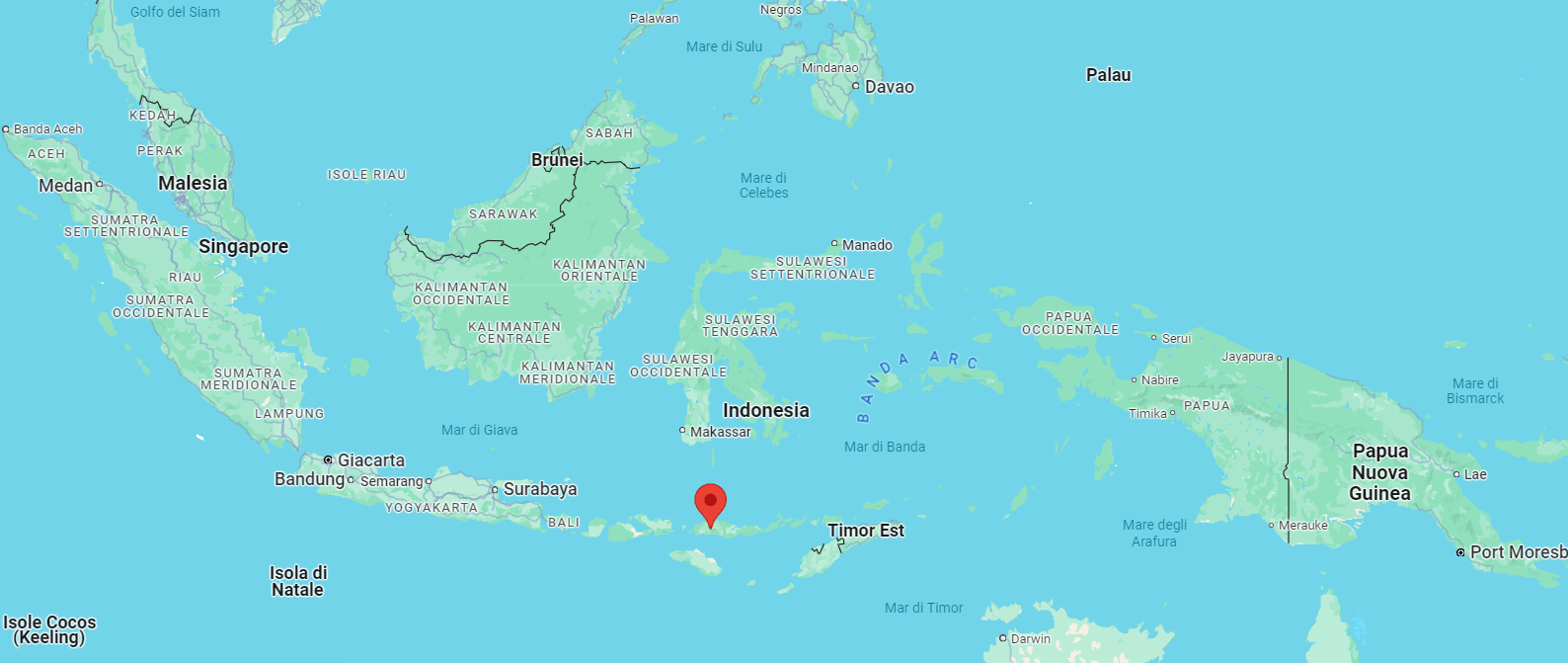
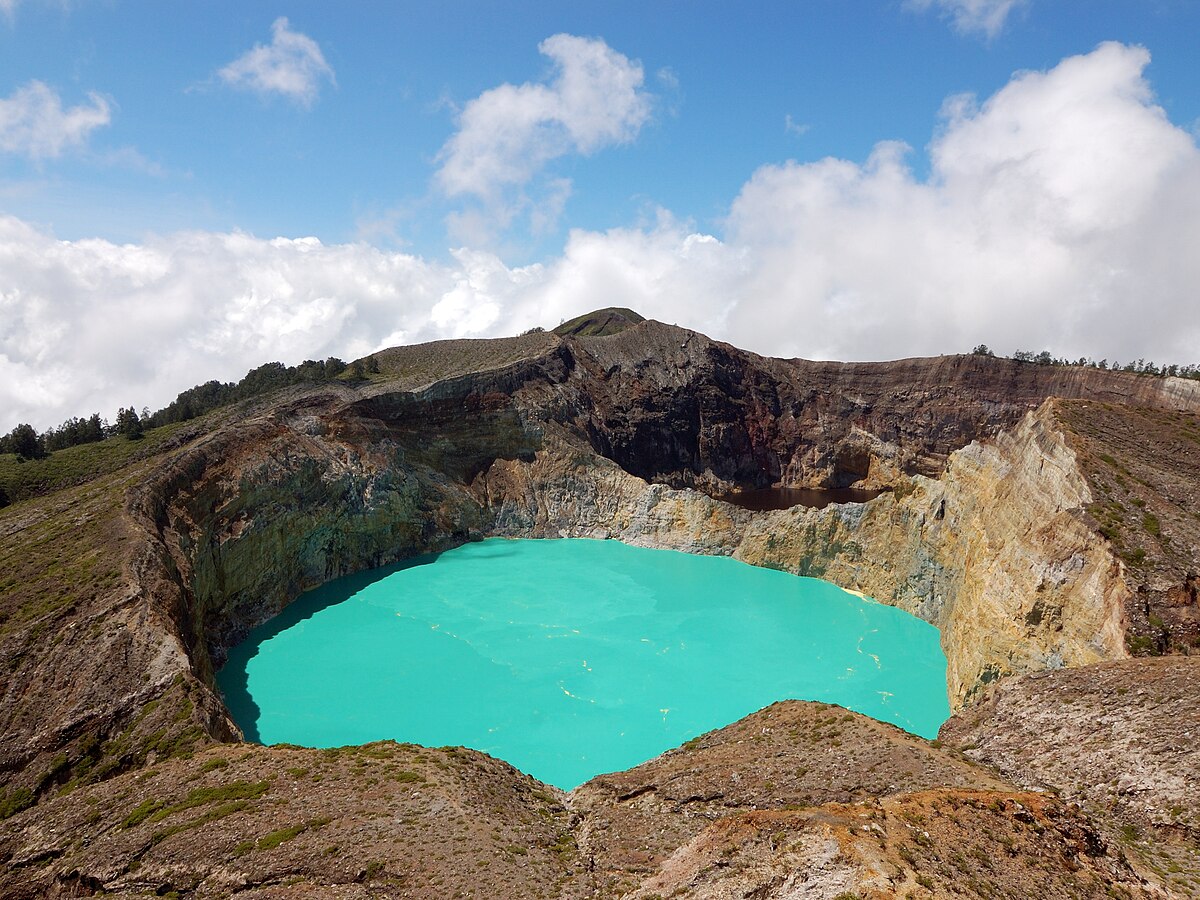
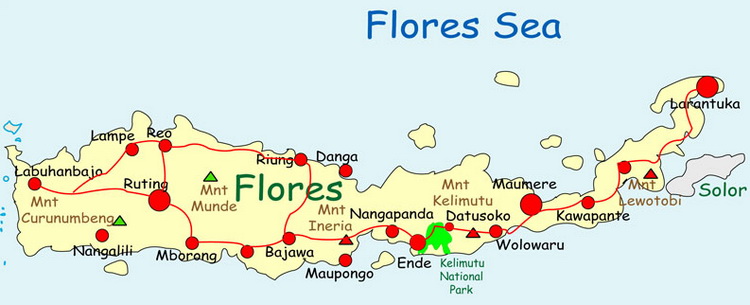
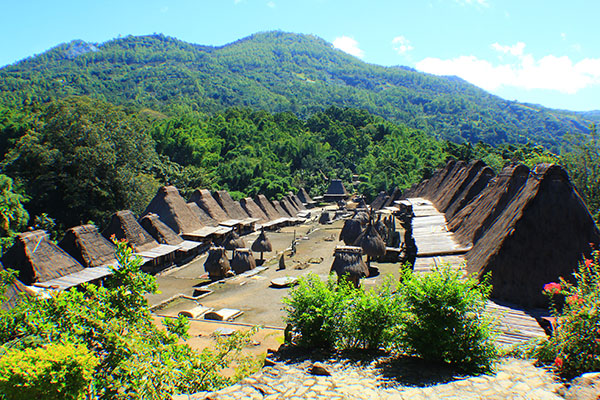
Flores resembles a canoe floating in the Pacific Ocean. It is an island that is part of the Indonesian archipelago, more precisely located in the Lesser Sunda Islands, among the well-known Java, Bali, and Timor. It is slightly more than half the size of Sicily and, being very close to the equator, has a tropical climate characterized by a dry season lasting from April to November and a rainy, humid season from December to March. Additionally, the days are almost equally divided between day and night (12 hours of darkness and 12 hours of daylight), and the temperature is practically always between 24°C and 31°C. The vegetation is lush (as can be seen on Google Map); part of the island is covered by a riverine forest, typical of territories at that latitude. At the same time, the island has mountains, among which stands the volcano Kelimutu, famous for its three crater lakes with striking water colors.
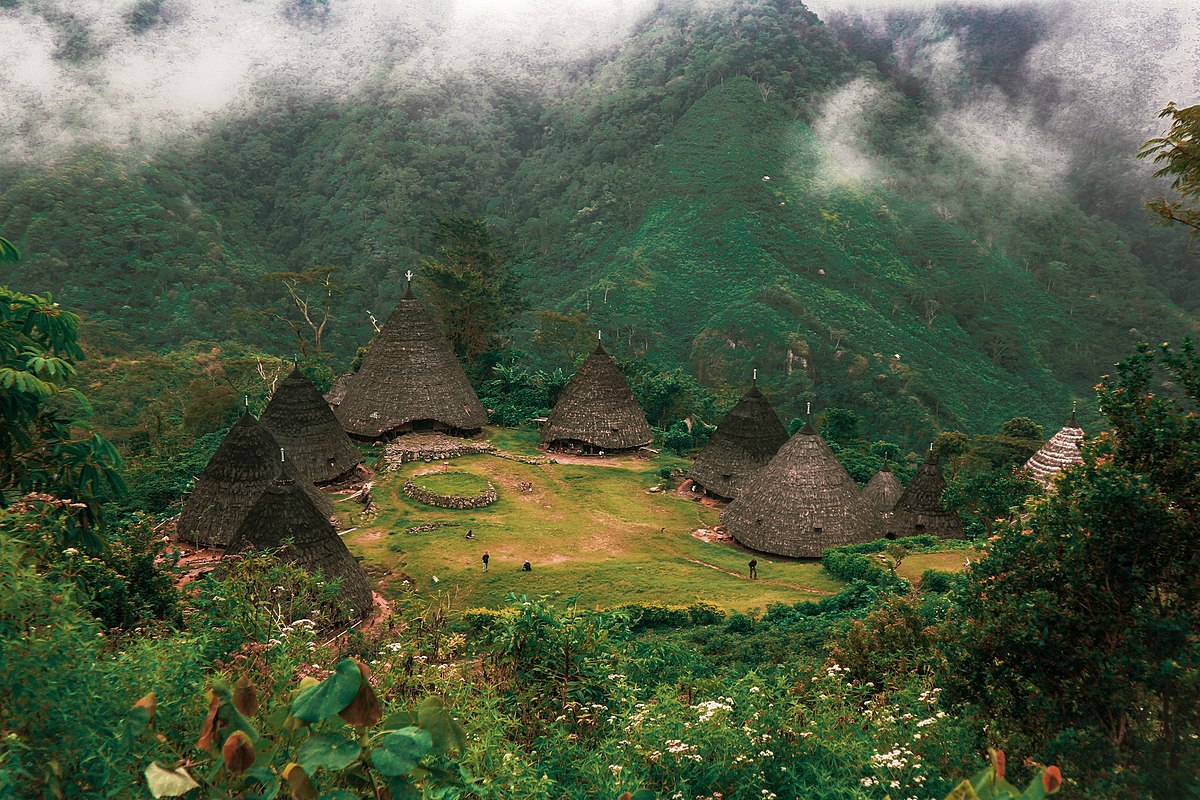
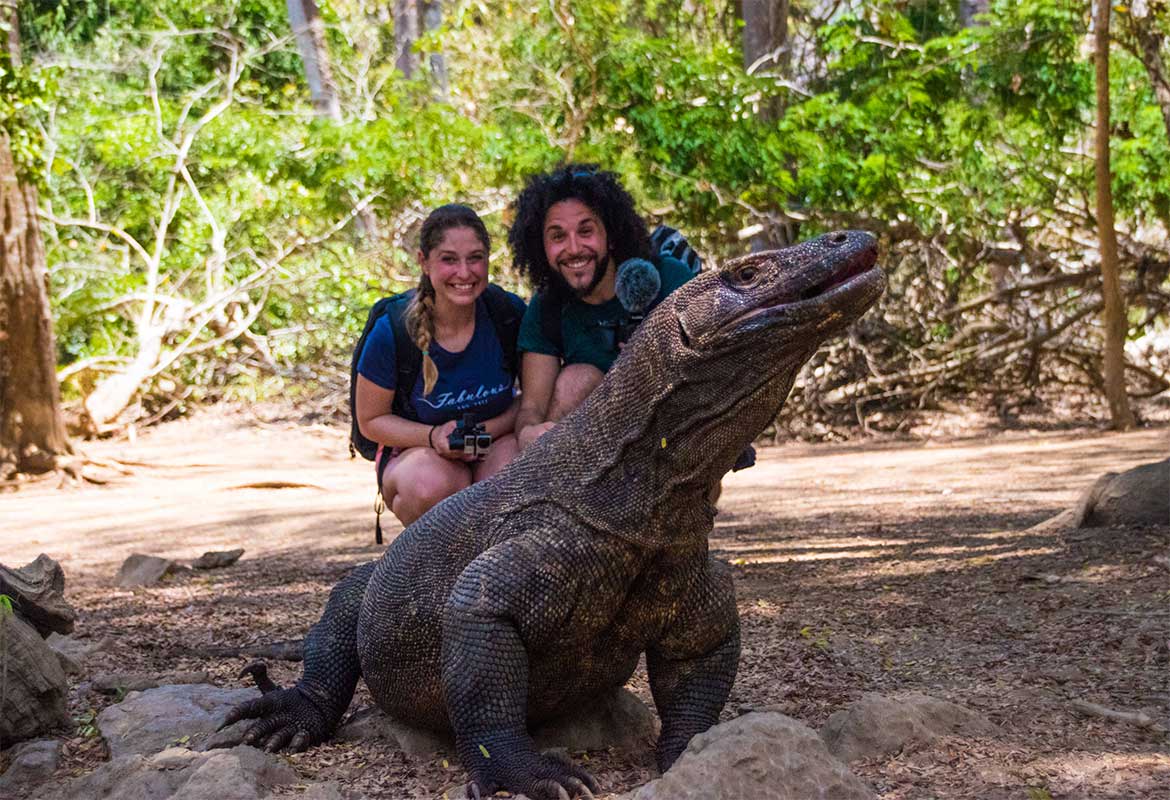
Today, the island is inhabited by about one and a half million people (the same population density as Sicily) who mainly engage in agriculture (rice, coffee, corn, cashews, cassava/manioc, and cocoa) and to a lesser extent in crafts (production of ikat fabrics), fishing, and tourism. Tourism has recently grown significantly due to natural beauties (beaches, forests, volcano), fauna (Komodo dragons, monkeys), and curiosity surrounding the traditional villages of the indigenous tribes (Manggarai and Ngada, for example) with their distinctive culture and ceremonies linked to animist religion. Apart from these isolated villages, the rest of the population is predominantly Catholic.
The Man of Flores
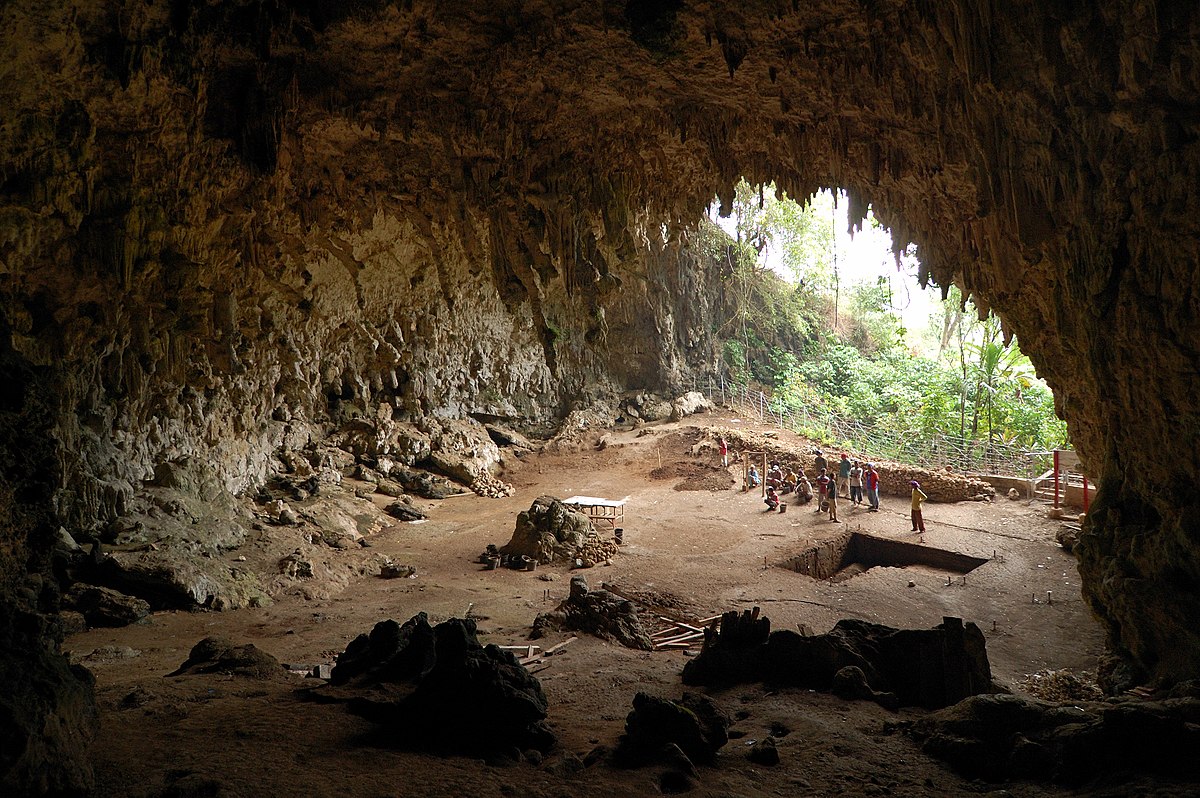
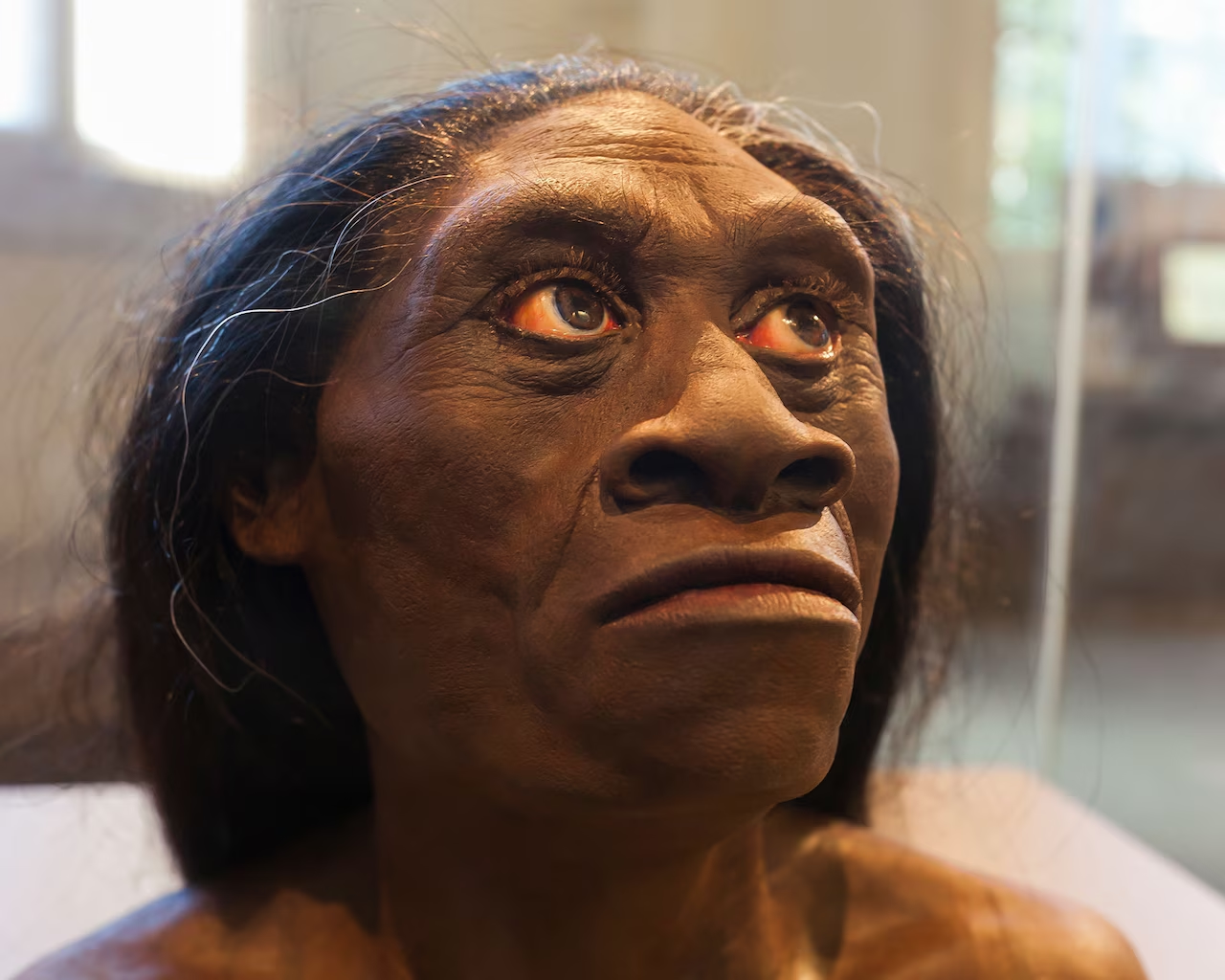
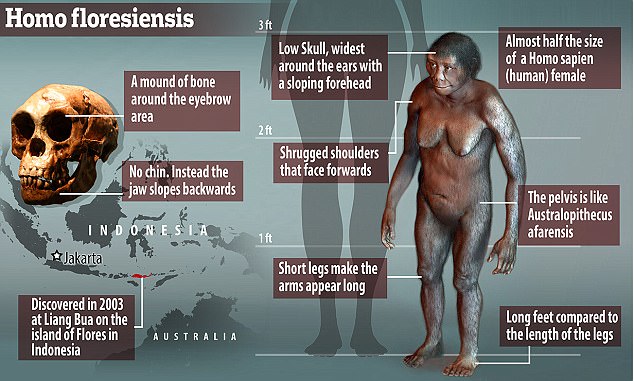
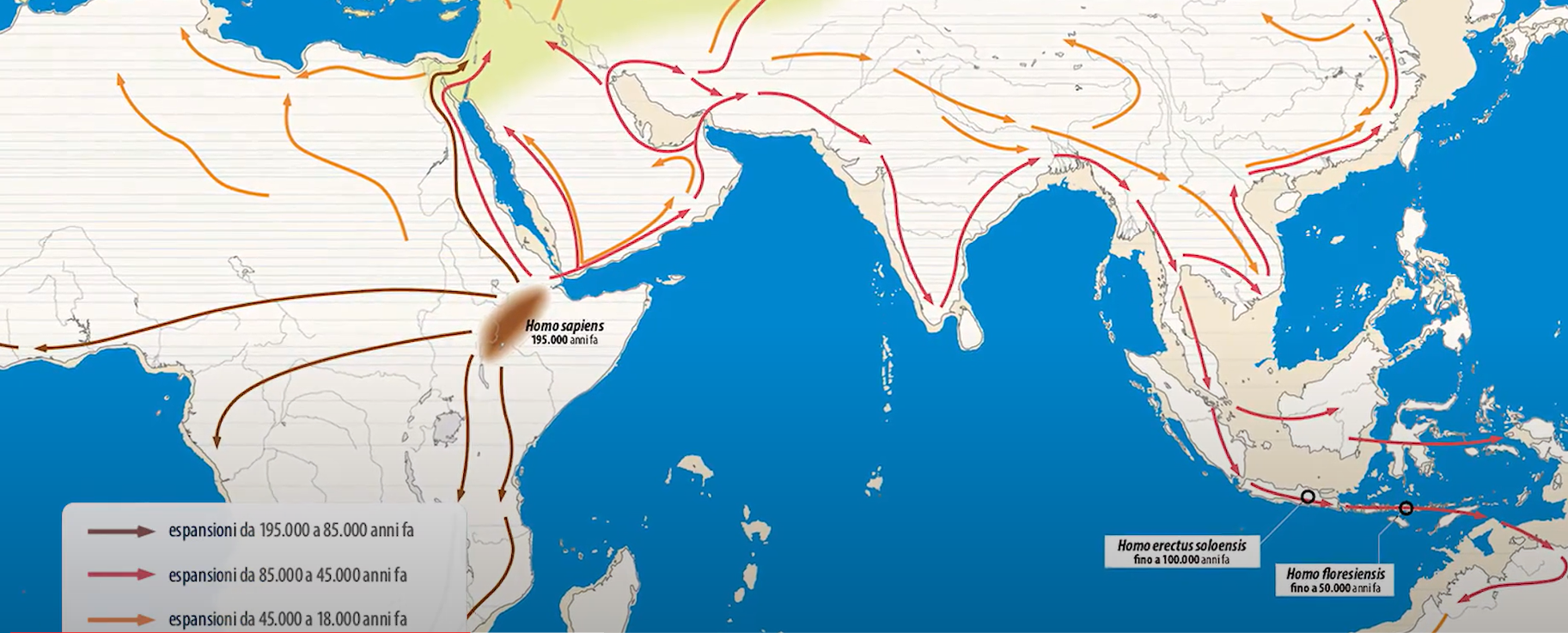
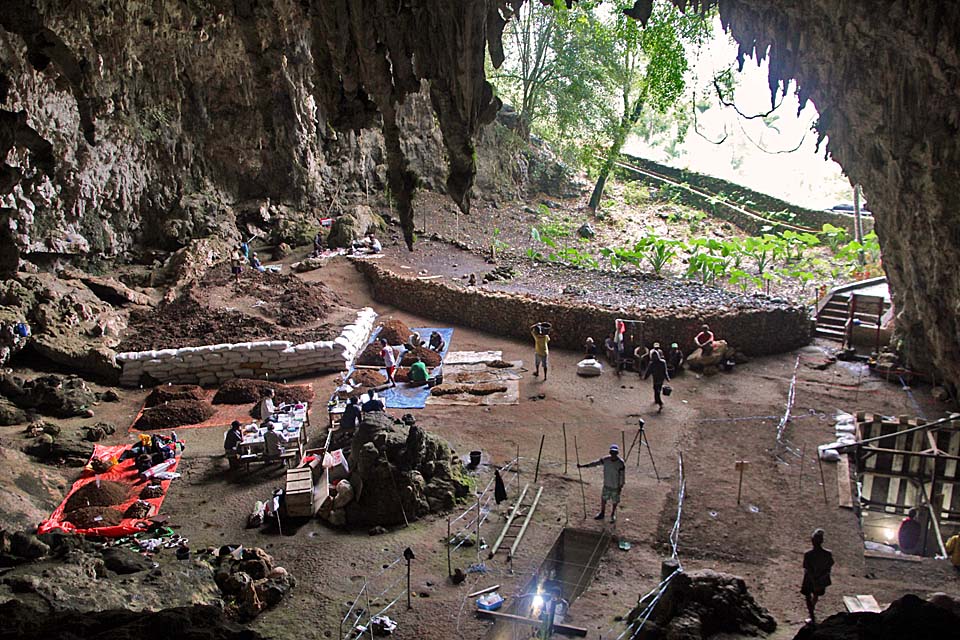
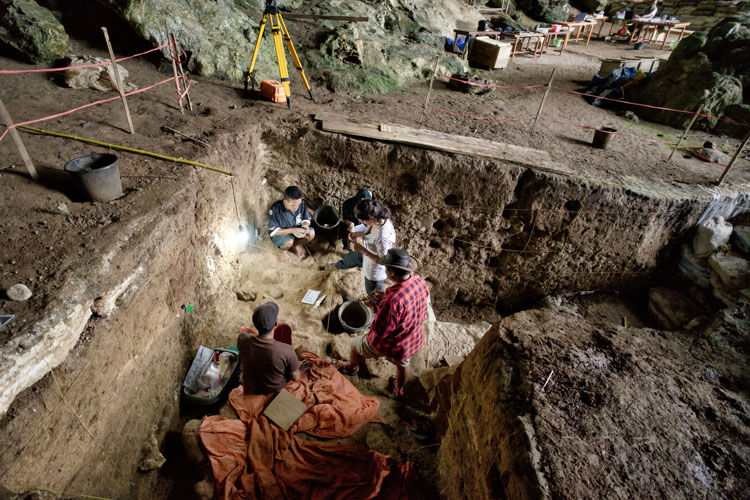
On this very island, in the Liang Bua cave, in 2003, the remains of a hominin were found, later recognized as representing a new human species named Homo floresiensis. The significance of this discovery lies in the estimated dating of these bones and the physical characteristics inferred from the woman they belonged to, which challenged some certainties of paleoanthropologists and questioned some long-held assumptions about the timing of hominin spread on Earth.
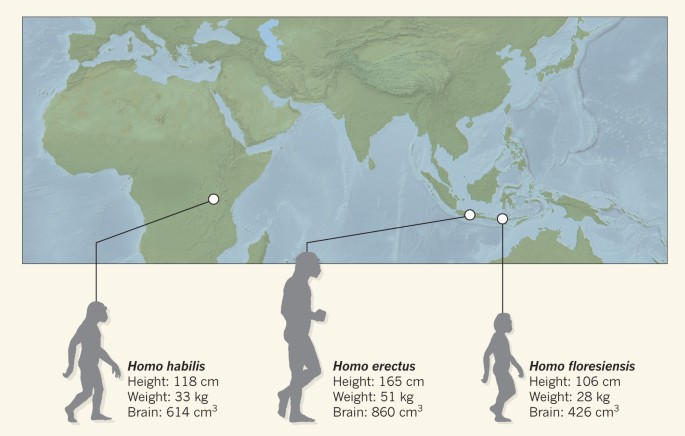
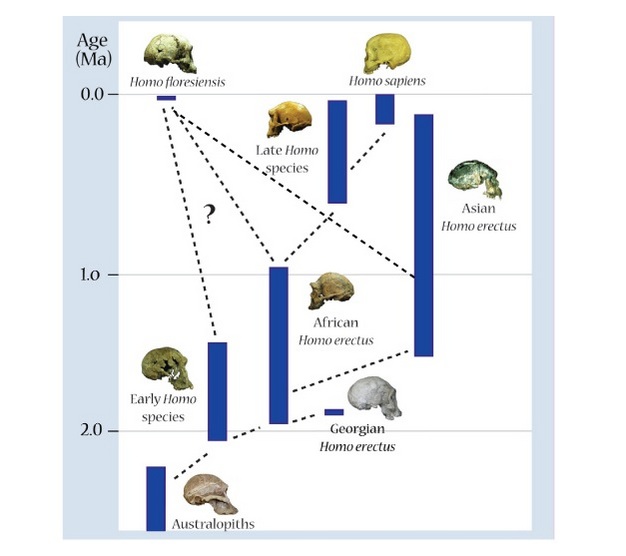
In fact, from the dating of these and other remains found later in other parts of the island, it emerged that this new species lived on Flores until 50 Kya. Therefore, one would expect their physical traits (especially height and cranial volume) to be similar to those of Homo sapiens (our species), or at most Homo erectus (an extinct but widespread species in the East), but instead, they are much more similar to those of Homo habilis (lived between 2.4 Mya and 1.4 Mya) or even to those of an australopithecine (lived between 4 Mya and 3 Mya).
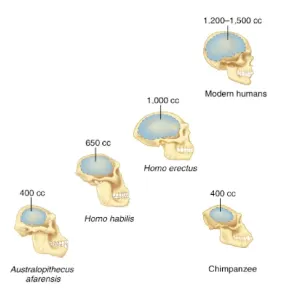
Homo habilis and australopithecines, therefore, lived much earlier and their fossils have only been found in Africa and nowhere else. It is thought that the first species to leave Africa was Homo erectus/ergaster, which has much more “modern” physical characteristics compared to Homo floresiensis [10].
Physical Characteristics of Homo floresiensis
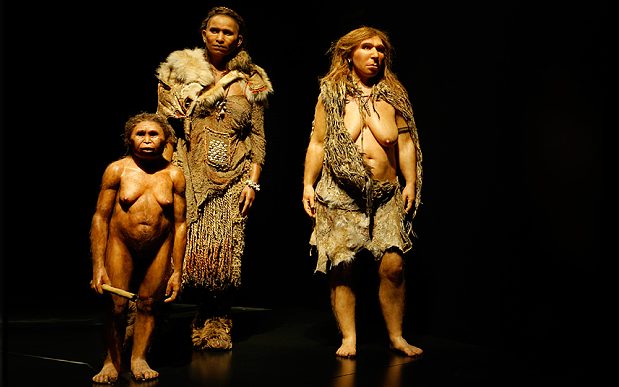
This new species presents a real puzzle for researchers because it shows a mix of modern and primitive features simultaneously:
| Height | ~106 cm (similar to australopithecines) |
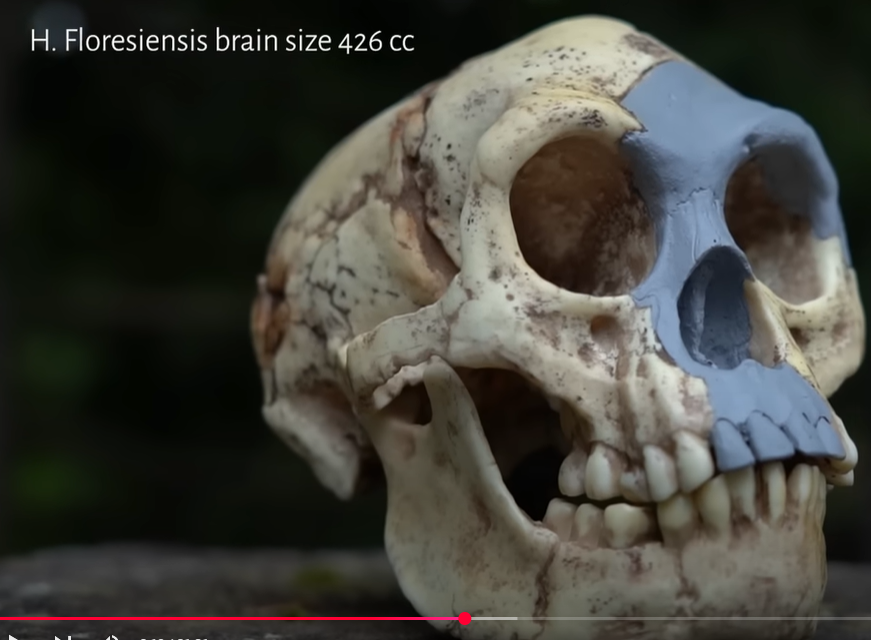
| Cranial volume | ~400 cc (similar to australopithecines) |
| Weight | ~25-35 Kg. |
| Teeth | Small teeth like modern humans, but large relative to the rest of the body. Canines and premolars have primitive morphology, while molars are modern. |
| Face | Flat and not very pronounced, similar to modern humans. |
| Limbs | Robust limbs similar to those of australopithecines. |
| Feet | Feet are flat and not arched like modern humans and large relative to the body. Limited running ability. |
| Big toe | Aligned with other toes like modern humans, but shorter as in primates. |
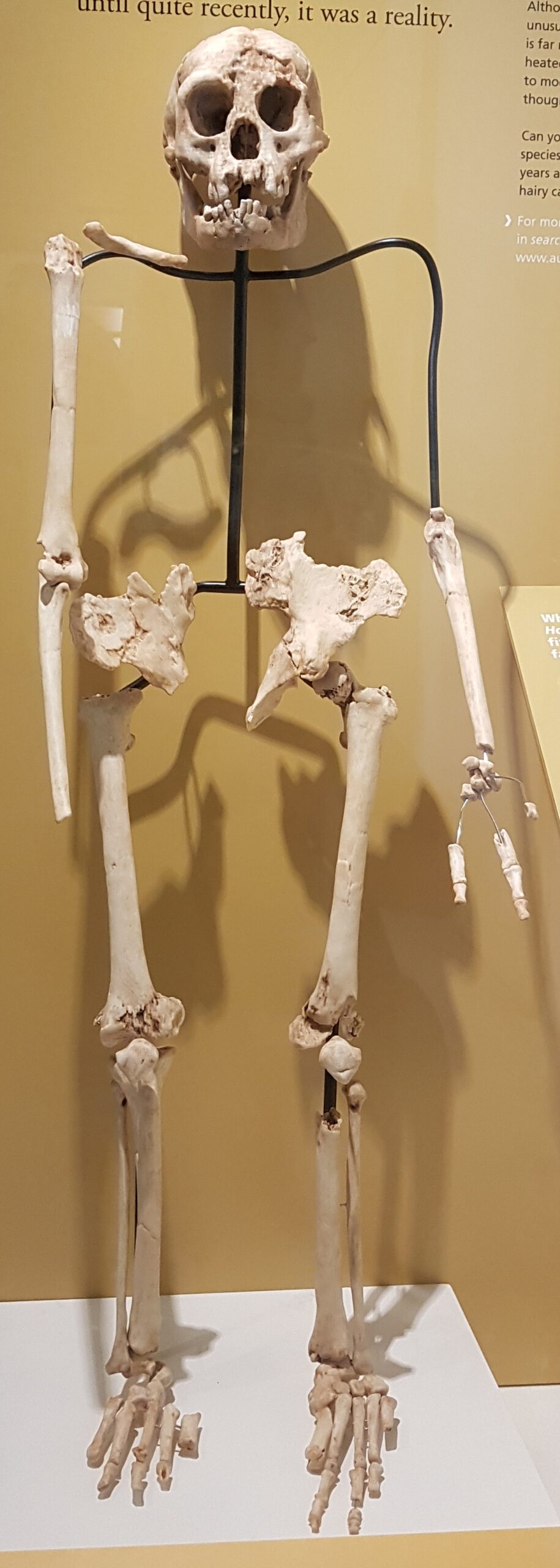
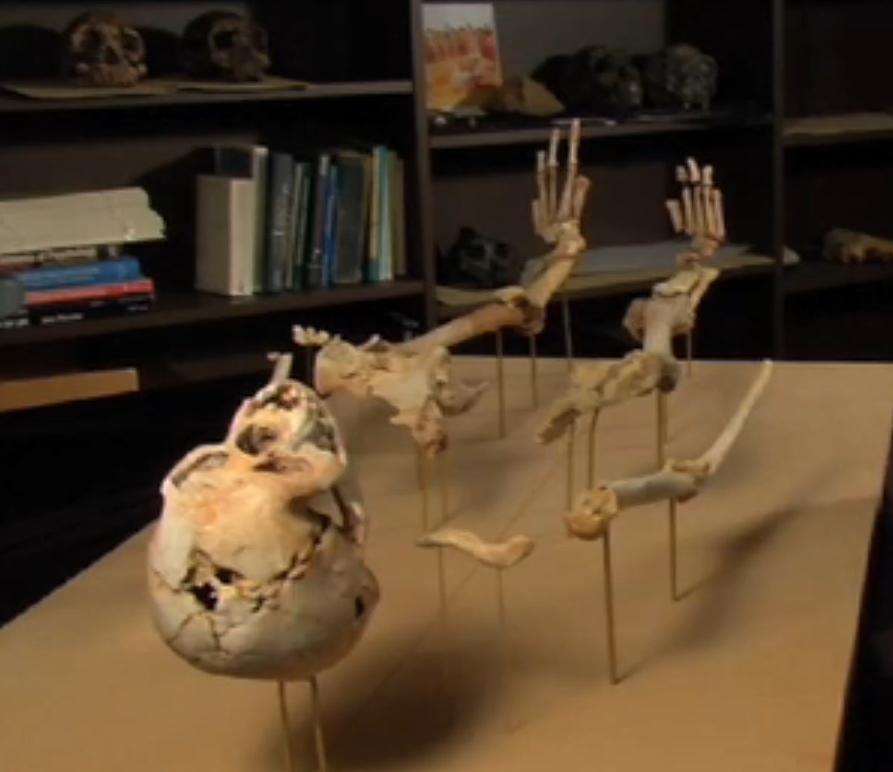
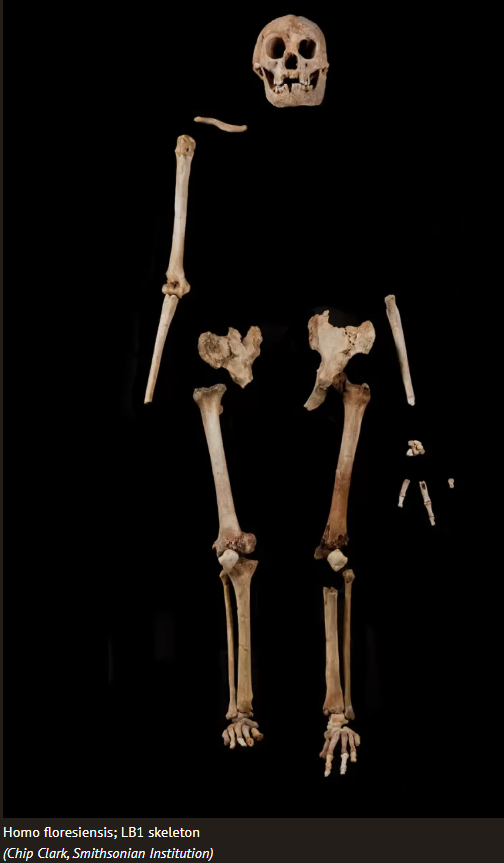
The holotype of Homo floresiensis is known as LB1 and was found in 2003 in the Liang Bua cave on Flores Island. The LB1 remains belong to an adult woman and include a fairly complete skull, jawbone, leg bones, hand and foot bones, along with several small fragments [19].
Hypotheses on the Origin of Homo floresiensis
Over the years, various hypotheses have been proposed regarding the evolution of Homo floresiensis, but it is difficult to explain the presence of such a primitive being so late.
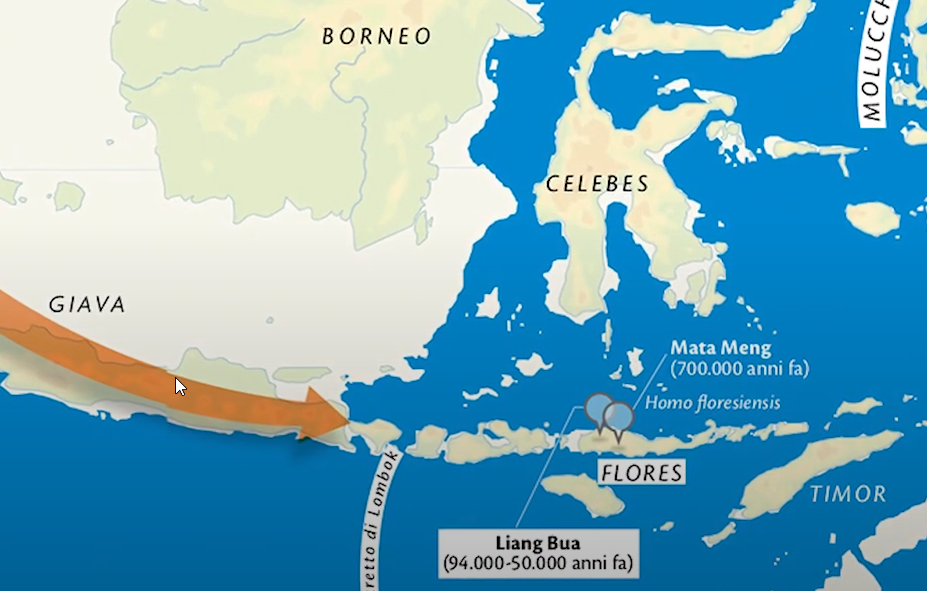
For a long time, it was thought to be a specimen of modern human affected by a pathology that arrested development (microcephaly, hypothyroidism, Laron syndrome, or Down syndrome), but today this hypothesis is largely discarded, both because other similar remains were found at another site on the island (Mata Menge, about 120 km walking distance from Liang Bua) and because no pathology exhibits all the characteristics of Homo floresiensis simultaneously. In other words, no pathology causes such a clear “regression” of evolutionary traits in a species.
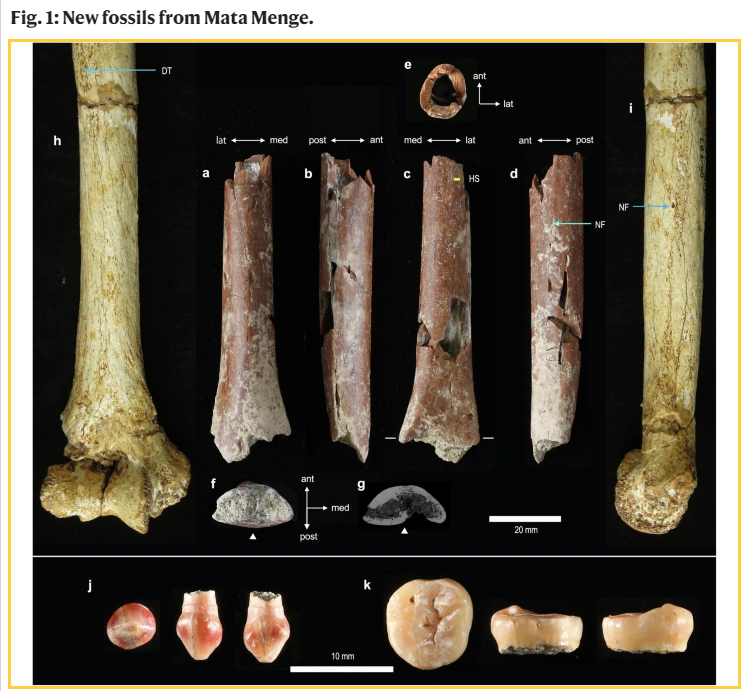
Other findings at Mata Menge also seem to indicate the presence of individuals similar to Homo floresiensis as early as 700 Kya [4].
Currently, the two most accepted hypotheses explaining the presence of these strange individuals on Flores are:
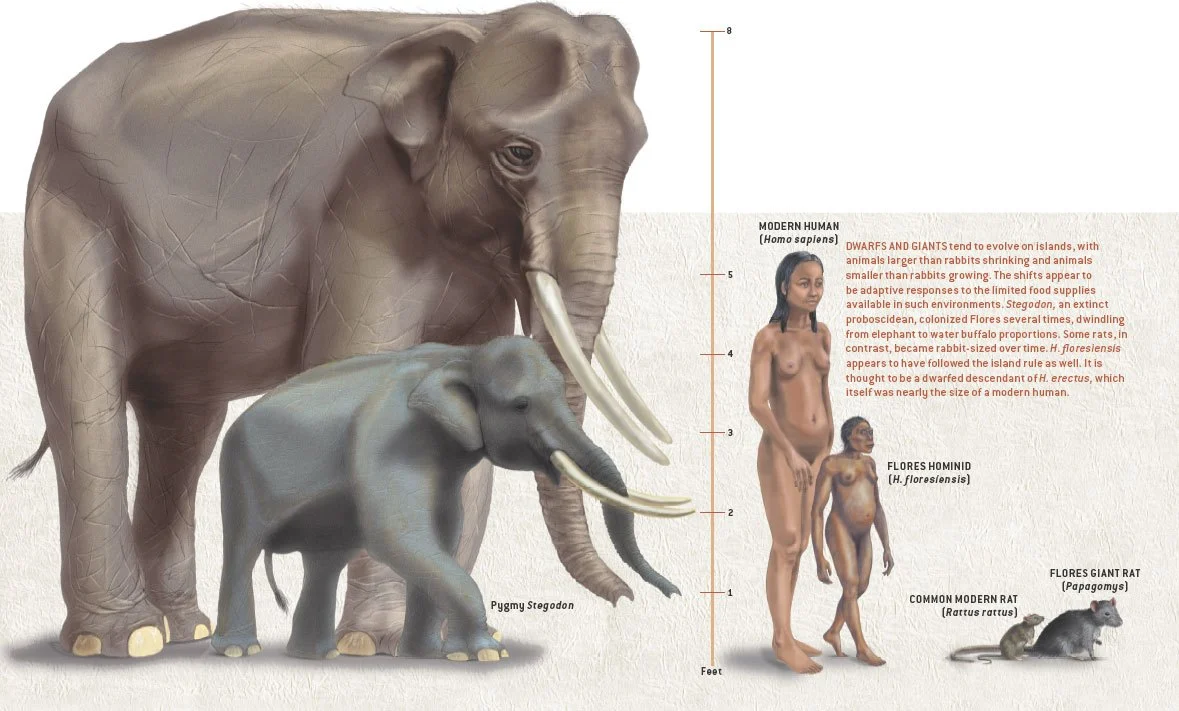
- Descent from Homo erectus: In this hypothesis, Homo floresiensis descends directly from Homo erectus, whose presence is well documented in Asia. However, having been isolated for a long time, a phenomenon called island dwarfism* occurred, causing some species to reduce their size proportionally. This would explain the “regression” of physical traits in Homo floresiensis compared to Homo erectus. [4,13]
- Descent from Homo habilis or earlier[4,13]: In this hypothesis, Homo floresiensis descends from a species preceding Homo erectus that, having left Africa, reached the East and Flores Island much earlier than currently estimated. This would also explain its characteristics, but the problem is that no such primitive individual has ever been found outside Africa, and it has always been thought that the first migration was that of Homo erectus/ergaster about 2 million years ago [9]. If this hypothesis is true, the current theory (Out of Africa I) would need revision [13]. In this scenario, Homo erectus would have evolved in parallel with Homo floresiensis. Island dwarfism might also have played a role here.
Conclusions
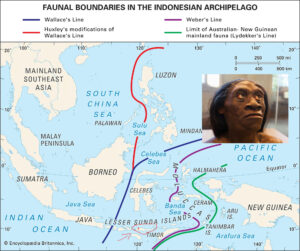
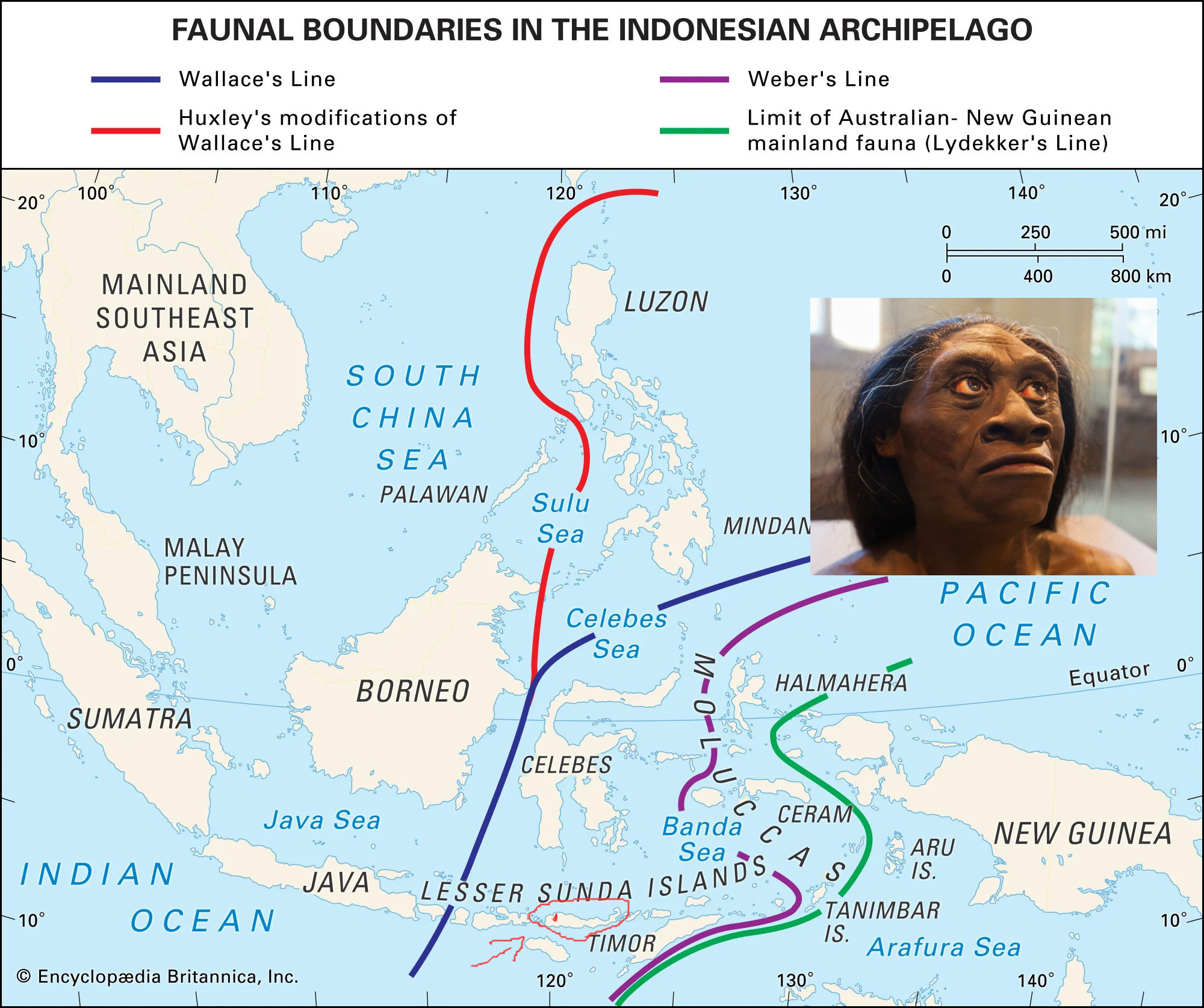
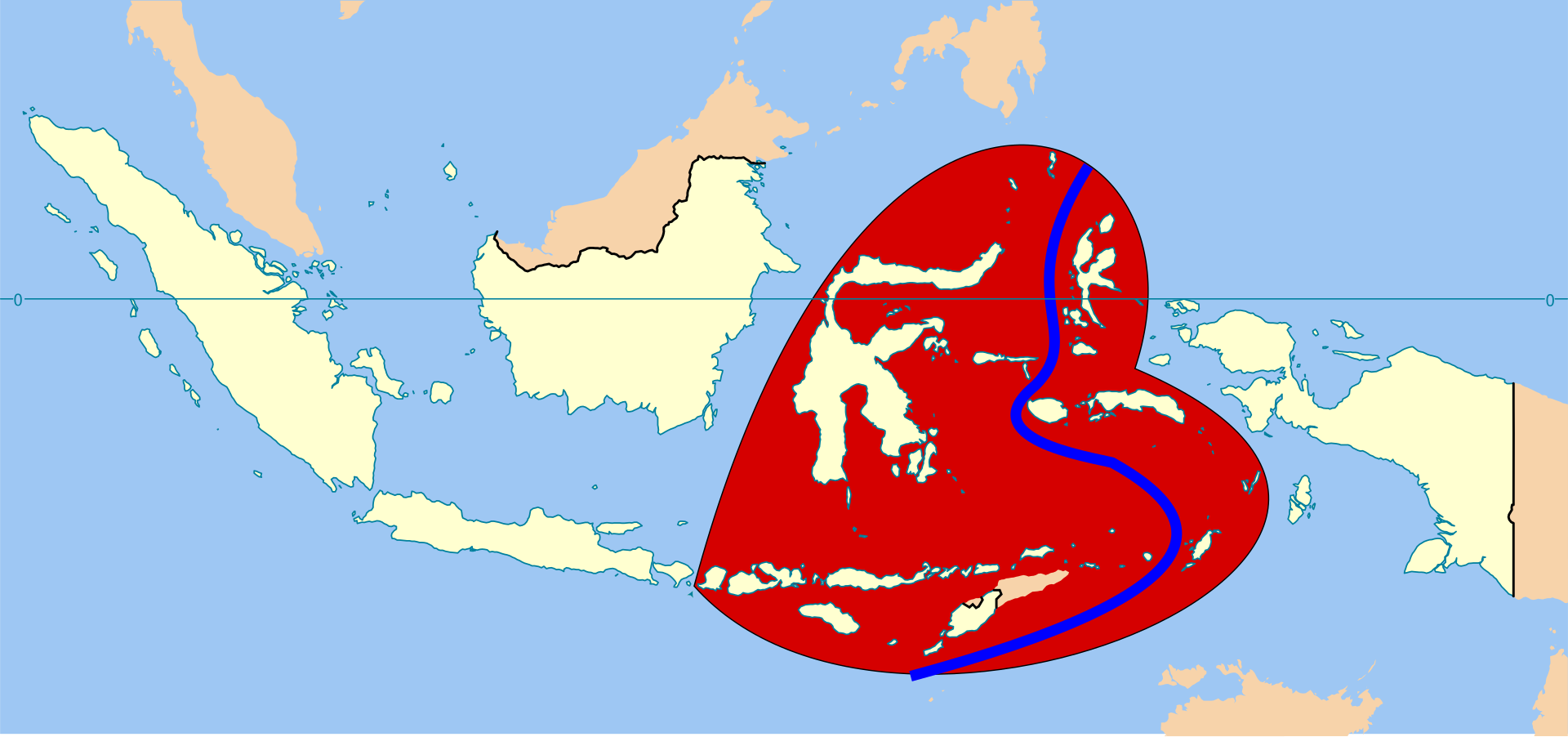
Flores Island lies just east of the Wallace Line, a line that is difficult for many animal species to cross due to deep sea floors and strong marine currents. This means that if some hominin groups managed to cross it, even aided by particular climatic conditions, they were not such primitive species.
These individuals then became trapped on the island as climatic conditions changed, and prolonged isolation may have led to the phenomenon of island dwarfism, well documented in other animal species. Indeed, even today, on the same island, there is a tribe in the village of Rampsasa, very close to Liang Bua, whose members have an average height of one meter and forty centimeters. Although studies on them have excluded descent from Homo floresiensis, this could still be evidence that island dwarfism can affect humans.
For this reason, it would be very interesting to conduct excavations on nearby islands such as Sulawesi, Sumbawa, Sumba, Flores, Timor, Alor, and all other islands of the Wallacea to search for other remains and see if this strange phenomenon also occurred on other islands, and which of the two hypotheses would be supported. Perhaps remains of the species from which Homo floresiensis directly descends could be found.
If future findings support the second hypothesis, current theories about the timing of the first migrations out of Africa and the species involved would need to be reconsidered. Likewise, the exploratory capabilities of older species would need reevaluation, and the discovery of ancient hominin specimens outside Africa should be expected.
Notes
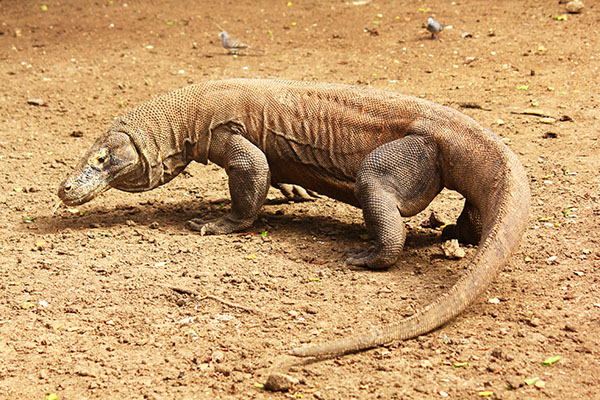
* Island dwarfism: Island dwarfism is a biological phenomenon where some animal species, typically large ones, evolve into smaller forms when isolated on islands or restricted habitats. This process occurs due to environmental pressures, limited resources on islands, and lack of predators and competition. Under these conditions, smaller individuals tend to survive and reproduce more easily, leading to natural selection favoring smaller body sizes over generations. An example of this phenomenon includes dwarf elephants found on many Mediterranean islands (including Sicily) and the Sunda Islands. The opposite phenomenon, called island gigantism, can occur when small species evolve into larger forms in the absence of natural predators on the island. Examples include giant rats found on many islands and the Komodo dragon, also found in the Sunda Islands.
** Wallace Line: The Wallace Line is an imaginary line separating two distinct biogeographical regions of Southeast Asia: the Asian and the Australo-Papuan regions. The Wallace Line runs between the islands of Borneo and Sulawesi, and between Bali and Lombok. West of the line, fauna is typical of the Asian region, with species like elephants, rhinoceroses, tigers, and other placental mammals. East of the line, species typical of Australia and New Guinea are found, such as marsupials (e.g., kangaroos) and birds specific to the Australo-Papuan region, like cassowaries and parrots. The presence of the Wallace Line reflects deep geological and historical differences between the two regions. During ice ages, sea levels were much lower, allowing land continuity between continental Asia and islands west of the line, facilitating faunal exchange. However, the line marks a deep natural marine barrier that prevented many species from crossing, keeping the two faunas distinct.
*** Early Homo: The term “early Homo” refers to hominid species belonging to the genus Homo that appeared in the early stages of human evolution, shortly after the emergence of the genus Homo from more primitive ancestors like Australopithecus. These species, which lived between approximately 2.8 and 1.5 million years ago, represent an important evolutionary stage characterized by morphological, cognitive, and behavioral changes marking a transition toward modern humanity. These species include Homo habilis and Homo rudolfensis [25].
Photo Gallery****
**** Images in the article and photo gallery are sourced from Google Images. We cannot verify copyright or identify the authors. If an author contacts us, we will gladly credit the source or remove the image if requested. You can use the contact form on the site for such notifications.










Sources and References
- [1] Map of archaeological sites on Flores Island, MyGoogleMaps.
- [2] Flores and Sumba, the mysterious and wild Indonesia (article), Aldo Pavan, Corriere.it (photo gallery of the same article).
- [3] Indonesia. Flores and Sumba, in the shadow of volcanoes (video), Aldo Pavan.
- [4] The antiquity of the man of Flores, Giorgio Manzi, le Scienze, no. 674, October 2024.
- [5] The latest on the man of Flores, Kate Wong, Extinct Humanity, supplement to issue 656 of le Scienze, 2023.
- [6] The world after us, Tom Higham, Odoya, 2021.
- [7] Around the world in six million years, Guido Barbujani, Andrea Brunelli, il Mulino, 2018.
- [8] How we were, Guido Barbujani, Laterza, 2022.
- [9] Out of Africa I, Wikipedia.
- [10] Human evolution: the first diaspora out of Africa, Telmo Piovani, YouTube.
- [11] Australopithecus afarensis, Homo habilis, Homo erectus on Wikipedia.
- [12] Homo floresiensis, Liang Bua, Flores Island on Wikipedia.
- [13] Interview with Karen Baab, Olmo Viola, Pikaia.eu, 2014.
- [14] Homo floresiensis, G.M.P.E.
- [15] Homo floresiensis and LB1, Smithsonian National Museum of Natural History, Washington.
- [16] “The hobbit” may have shrunk early, evolved from a tall human ancestor, Brudget Alex, Science.org, 2024.
- [17] Early evolution of small body size in Homo floresiensis, Gerrit D. van den Bergh et al., Nature.com, 2024.
- [18] Homo floresiensis: the “hobbits” were even smaller than previously thought, Umberto Mazzantini, GreenReport.it, 2024.
- [19] LB1 fossil on Wikipedia.
- [20] The origin of humanity, Damiano Marchi, Msn Unipi, 2022.
- [21] What to see in Flores, land of dragons and pristine seabeds, VacanzeInIndonesia.com.
- [22] Homo floresiensis: Making Sense of the Small-Bodied Hominin Fossils from Flores, Karen L. Baab, Nature.com, 2012.
- [23] Video of Liang Bua cave, Bags Packed Family, 2022.
- [24] Flores/1. From Jakarta to Larantuka, via Timor; Flores/2. Traditions and prehistory; Flores/3. Trans-Flores Highway, blog by Renzo Garrone.
- [25] The great story of human evolution, Giorgio Manzi, il Mulino, 2013.
- [26] When Did Hominins First Leave Africa?, Stefan Milo, YouTube.
- [27] The affinities of Homo floresiensis based on phylogenetic analyses of cranial, dental, and postcranial characters, Debbie Argue et al., Science, June 2017.
- [28] 3D reconstruction of the Homo floresiensis skull, Smithsonian Institute.
- [29] The real hobbit, rethinking human origins, documentary on MagellanoTV.
*** Note: This article was translated using an automated workflow created with n8n and OpenAI.